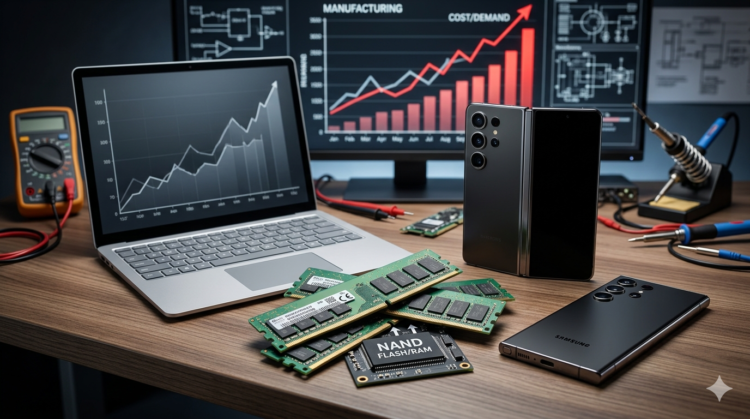



Digimagaz.com – The global tech market is entering a new phase of pricing pressure, and consumers are beginning to feel it directly. A fresh wave of price increases across premium devices—from Microsoft Surface laptops to Samsung Galaxy smartphones—signals a deeper issue: the ongoing RAM supply crunch is no longer a background problem. It is now shaping what people pay at checkout.
A Sharp Shift in Surface Pricing Strategy
Recent adjustments to Microsoft’s Surface lineup reflect some of the most aggressive price hikes seen in years. Entry-level models that once positioned themselves as premium yet attainable options are now edging into significantly higher price brackets.
Take the Surface Laptop 13.8-inch, which launched at $999 in 2024. Today, the same configuration—equipped with 16GB of RAM—has climbed to $1,499. That $500 jump is not a minor adjustment; it fundamentally changes how the device competes in the broader laptop market.
The increases extend across the lineup. The larger 15-inch Surface Laptop now costs hundreds more than its original launch price, while the Surface Pro 13-inch has also seen steep hikes. Even mid-tier configurations are no longer insulated, with higher-end models pushing well beyond what many consumers would consider reasonable for a Windows-based device.
Microsoft attributes these changes to rising component costs, particularly memory. While that explanation aligns with broader industry trends, the scale of the increases suggests a strategic recalibration, not just a temporary adjustment.
Samsung Takes a More Measured Approach
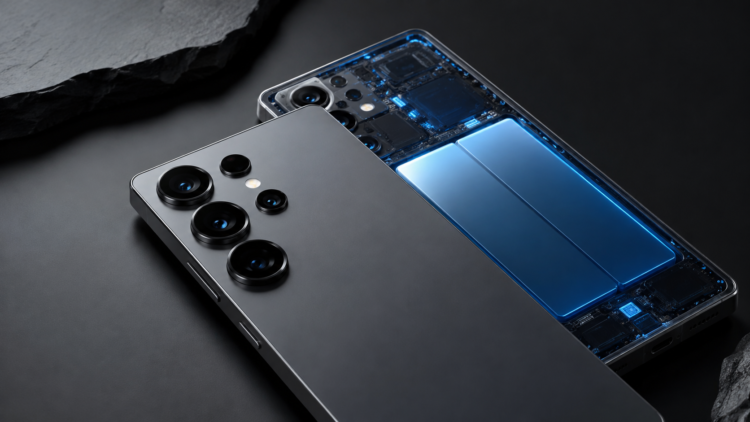
Compared to Microsoft, Samsung’s pricing updates appear more restrained—but they are still noticeable. Select Galaxy smartphones and tablets have quietly become more expensive in recent weeks.
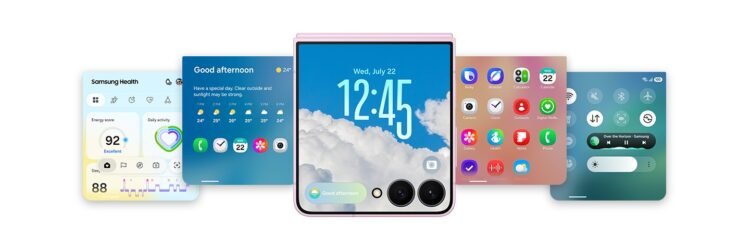
For example, the 512GB variants of flagship devices like the Galaxy Z Flip 7 and Galaxy S25 Edge have each increased by around $80. Meanwhile, the Galaxy S25 FE has seen a smaller bump, signaling that Samsung is trying to balance rising costs with maintaining accessibility in its mid-range lineup.
Tablet pricing tells a slightly different story. High-end models such as the Galaxy Tab S11 Ultra have experienced more substantial increases, in some cases approaching $300. This suggests that premium tiers are absorbing more of the cost pressure, while entry-level devices remain relatively stable—for now.
The RAM Crisis Is Reshaping the Market
At the center of these price movements is the global RAM shortage. Memory prices have surged due to a mix of supply constraints, increased demand for AI-capable devices, and tighter production capacity among major chip manufacturers.
Unlike previous component fluctuations, this cycle appears more persistent. Devices across categories—from laptops to smartphones—are increasingly dependent on higher RAM configurations, especially as software becomes more resource-intensive. That dependency leaves manufacturers with limited room to absorb costs without passing them on to consumers.
A Surprising Winner: Apple’s Value Position
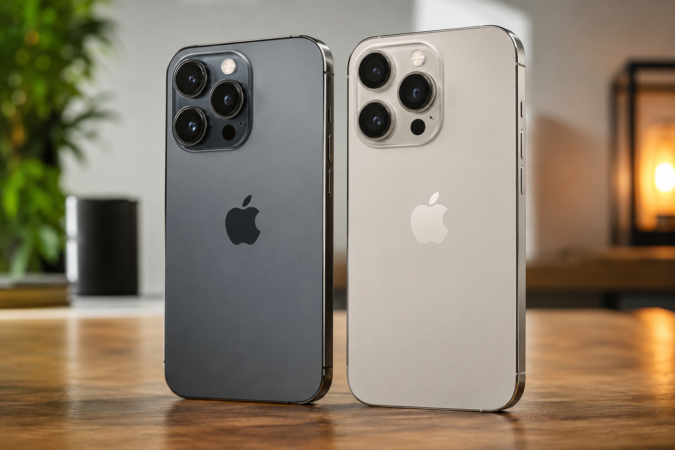
One unexpected outcome of these price hikes is the shifting perception of value in the premium device market. As Windows-based hardware becomes more expensive, Apple is beginning to look comparatively competitive.
MacBooks, long seen as premium-priced alternatives, are now holding steadier in cost. This stability, combined with efficient hardware-software integration, is strengthening Apple’s appeal—particularly among buyers who previously leaned toward Windows devices for affordability.
The timing is notable. With newer MacBook models targeting a broader audience, rising Surface prices may unintentionally push more consumers toward macOS, especially those evaluating performance-per-dollar.
What This Means for Consumers
For buyers, the takeaway is clear: waiting may not guarantee better pricing. If anything, the trend suggests continued upward pressure, particularly for devices with higher RAM configurations.
At the same time, the gap between mid-range and premium devices is widening. Consumers may need to rethink what “entry-level” means in 2026, as baseline configurations now carry price tags that were once reserved for high-end models.
Looking Ahead
The current wave of price increases is unlikely to be the last. As long as memory costs remain elevated, manufacturers will continue adjusting pricing strategies across their portfolios.
What makes this moment different is the broader impact. This is not just about one brand or product line—it is a structural shift affecting the entire tech ecosystem. And for consumers, it marks the beginning of a more expensive era in personal computing and mobile devices.
Post Views: 292