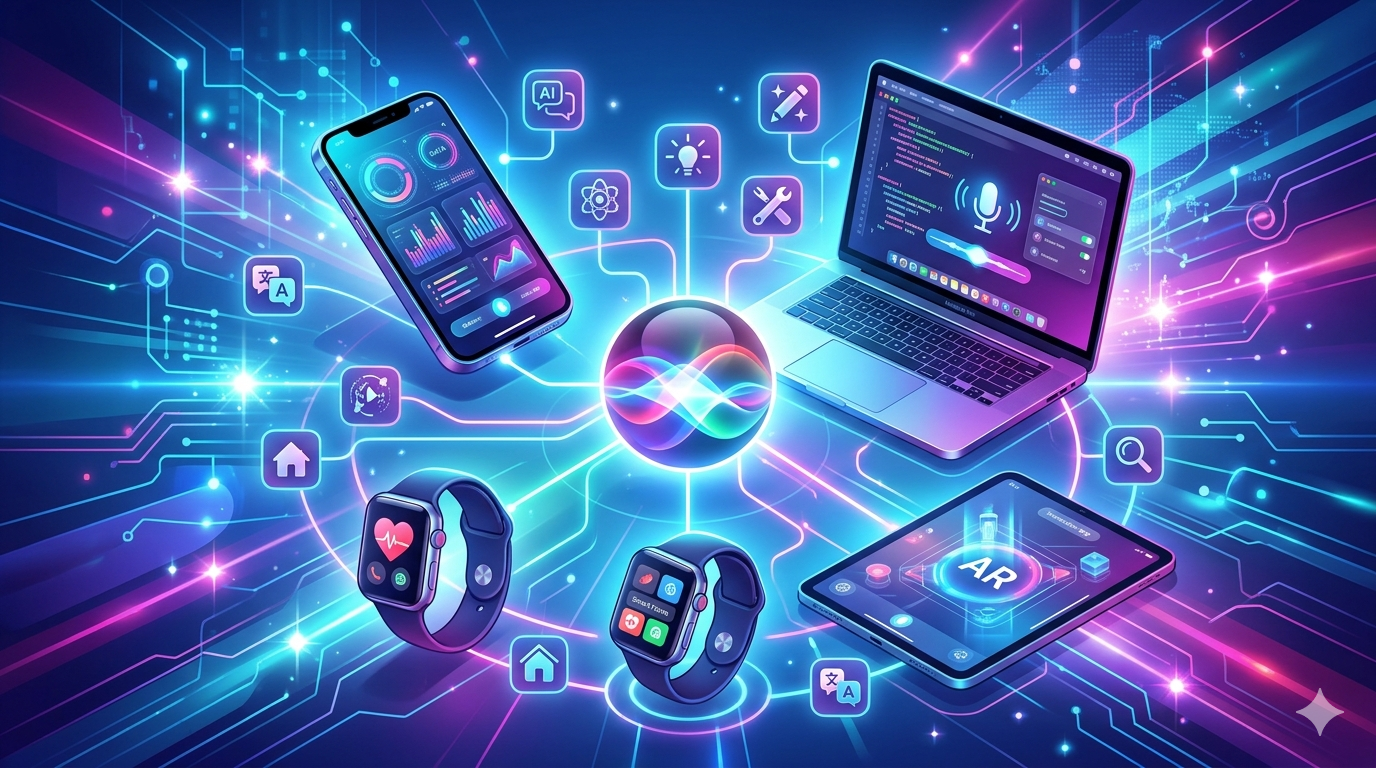

Digimagaz.com – Apple has officially revealed its most significant software update cycle in recent memory, introducing a powerful new artificial intelligence platform alongside a completely redesigned Siri experience. Announced during the company’s Worldwide Developers Conference (WWDC), the upcoming iOS 27, iPadOS 27, macOS 27, watchOS 27, visionOS 27, and tvOS 27 updates signal Apple’s intention to make AI a core part of everyday device interactions.
While many technology companies have rushed to add generative AI features into their products, Apple’s approach appears focused on deeply integrating intelligence throughout its ecosystem rather than offering standalone chatbot experiences. The result is a software strategy centered on personalization, privacy, and seamless productivity.
Siri AI Becomes Apple’s Most Advanced Digital Assistant Yet
The headline announcement from WWDC was the introduction of Siri AI, a major overhaul of Apple’s voice assistant that goes far beyond traditional voice commands.
Unlike previous versions of Siri, the new AI-powered assistant can understand personal context across a user’s devices. This allows Siri AI to retrieve information from messages, emails, photos, notes, and other content while helping users complete tasks across multiple applications.
For example, users can ask Siri AI to locate photos from a specific event, summarize information from recent emails, or help organize travel plans using data already stored on their devices.
Apple says Siri AI can also understand what is currently displayed on the screen, allowing users to ask contextual questions without switching apps. In situations where local information is insufficient, Siri AI can access web-based knowledge to provide more current answers.
Another notable addition is a dedicated Siri application that stores conversation history and synchronizes interactions securely through iCloud, creating a more continuous experience across iPhone, iPad, Mac, Apple Watch, and Apple Vision Pro.
Apple Intelligence Expands Beyond Siri
The company’s broader AI initiative, called Apple Intelligence, powers numerous features throughout the operating system.
Rather than limiting AI to conversation-based tasks, Apple is embedding intelligence into everyday workflows:
- Enhanced image editing capabilities in Photos
- AI-assisted browsing and information management in Safari
- Smart suggestions in Messages and Mail
- Creative image generation tools through Image Playground
- Improved search experiences across apps
- Context-aware recommendations and reminders
One example highlighted by Apple is a feature called Spatial Reframing, which enables users to adjust the composition of photos after they have been captured. The company is also introducing AI-powered notification systems that can alert users when important information becomes available.
This broader implementation suggests Apple is positioning AI as an invisible productivity layer rather than a separate feature users must actively engage with.
Family Safety Takes Center Stage
Beyond artificial intelligence, Apple is making a significant investment in parental controls and child safety.
The company is introducing a redesigned child account setup process that enables parents to establish age-appropriate protections from the moment a device is configured.
Several new controls include:
- Parent approval requirements for new contacts
- Expanded communication safety protections
- Automatic detection of potentially explicit or violent content
- Customizable app access management
- More detailed screen time monitoring
Apple is also introducing category-based screen time limits. Instead of restricting individual apps one by one, parents can now establish daily allowances for broader categories such as gaming, entertainment, and social media.
This change reflects growing concerns among parents, educators, and health professionals regarding excessive screen exposure among children and teenagers.
Faster Performance Across the Apple Ecosystem
While AI dominated the keynote presentation, Apple also delivered meaningful performance upgrades.
According to the company, several core experiences will become noticeably faster:
Key Performance Improvements
- Apps launch up to 30% faster on iPhone and iPad
- Newly captured photos load significantly quicker
- AirDrop transfers can be up to 80% faster
- Wi-Fi and cellular network transitions are smoother
- External storage transfers on iPad see major speed gains
- Search functions in Spotlight, Photos, and Mail have been rebuilt for improved reliability
These improvements may not generate the same excitement as AI announcements, but they could have a greater impact on day-to-day user satisfaction.
Refined Software Design Focuses on Personalization
Apple is continuing its design evolution with additional customization options.
One of the most notable additions is a new Liquid Glass customization slider, allowing users to adjust interface transparency levels according to personal preference.
Mac users will also see the return of several classic macOS design elements, including:
- More consistent toolbars
- Edge-to-edge sidebars
- Colorful sidebar icons
- Improved visual organization
The updates suggest Apple is balancing modern aesthetics with familiar interface elements that long-time users appreciate.
New Features Arriving Across Apple’s Platforms
Several additional enhancements are scheduled to launch later this year.
iCloud Shared Albums
Apple is expanding cross-platform photo sharing capabilities with support for full-resolution images, making collaboration easier for families and friends.
Health App Enhancements
The Health app gains expanded menstrual health support, including tracking tools and notifications related to perimenopause and menopause.
Apple Watch Improvements
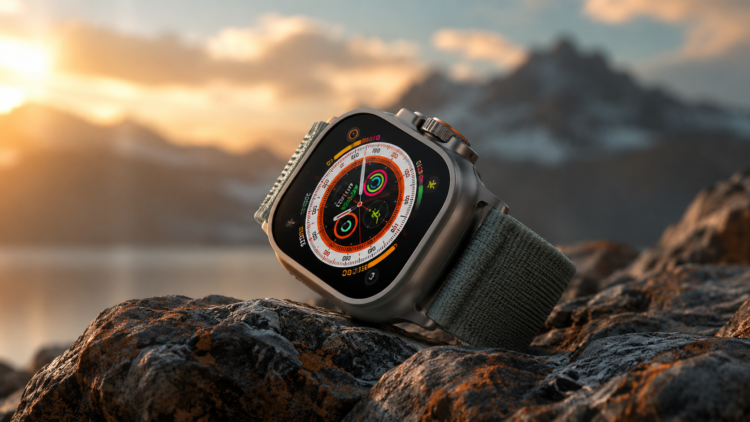
watchOS 27 introduces:
- Dynamic app recommendations
- Faster widget access
- A unified Find My application
- Smarter device navigation
AirPods Personalization
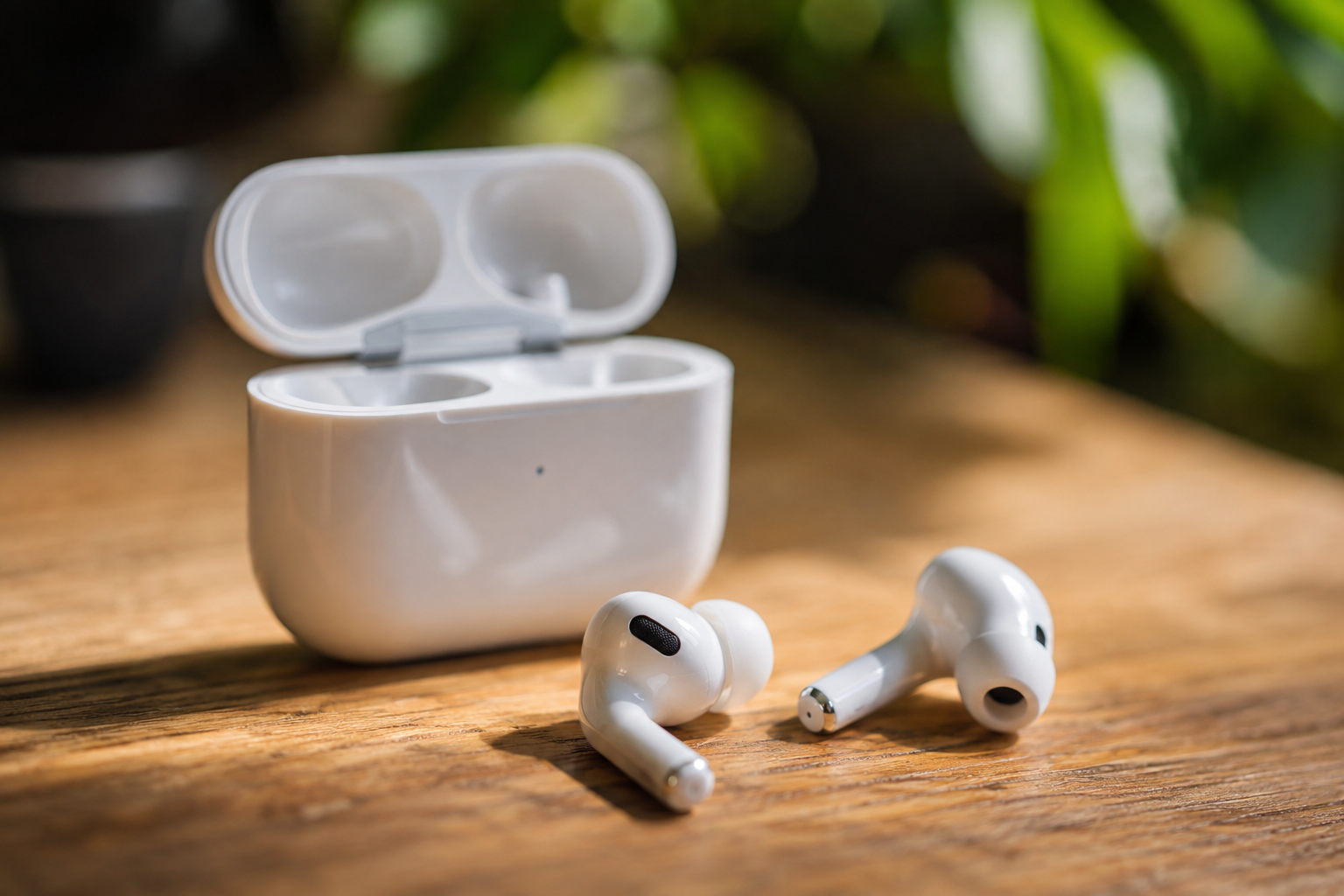
Users will be able to customize audio output through a new EQ system, while AirPods Pro 3 owners gain expanded fitness integration through Apple GymKit.
Vision Pro Upgrades
Apple Vision Pro users can transform panoramic photos into immersive spatial environments and benefit from faster Wi-Fi connectivity.
Smarter Apple Maps
Apple Maps is receiving an upgraded Flyover experience that combines aerial imagery with AI-powered enhancements to provide richer visual detail.
Privacy Remains a Core Selling Point
One of the most important aspects of Apple’s AI strategy is its emphasis on privacy.
The company says the next generation of Apple Intelligence uses a specialized architecture designed to protect user information while still delivering advanced AI capabilities.
This privacy-first positioning could become a major competitive advantage as consumers increasingly question how AI platforms collect, process, and store personal data.
Release Date and Device Compatibility
Developers can begin testing the new software immediately through Apple’s developer program, while public beta versions are scheduled to launch next month.
The final releases of iOS 27, iPadOS 27, macOS 27, watchOS 27, visionOS 27, and tvOS 27 are expected to arrive this fall as free software updates.
Apple Intelligence and Siri AI will initially support multiple languages, including English, French, German, Spanish, Japanese, Korean, Vietnamese, and Chinese, among others.
However, availability will vary by region due to regulatory requirements. Apple also confirmed that some AI features will not launch immediately in certain markets, including China and parts of the European Union.
Why Apple’s AI Strategy Matters
The introduction of Siri AI represents more than a routine software update. It signals Apple’s attempt to redefine how users interact with their devices in the AI era.
Rather than competing solely on chatbot capabilities, Apple is betting that deeply integrated intelligence, combined with privacy protections and ecosystem-wide functionality, will offer a more useful experience for everyday users.
If the company successfully delivers on its promises, iOS 27 and its companion operating systems could mark the beginning of Apple’s most transformative software generation since the introduction of Siri itself.
Read More :