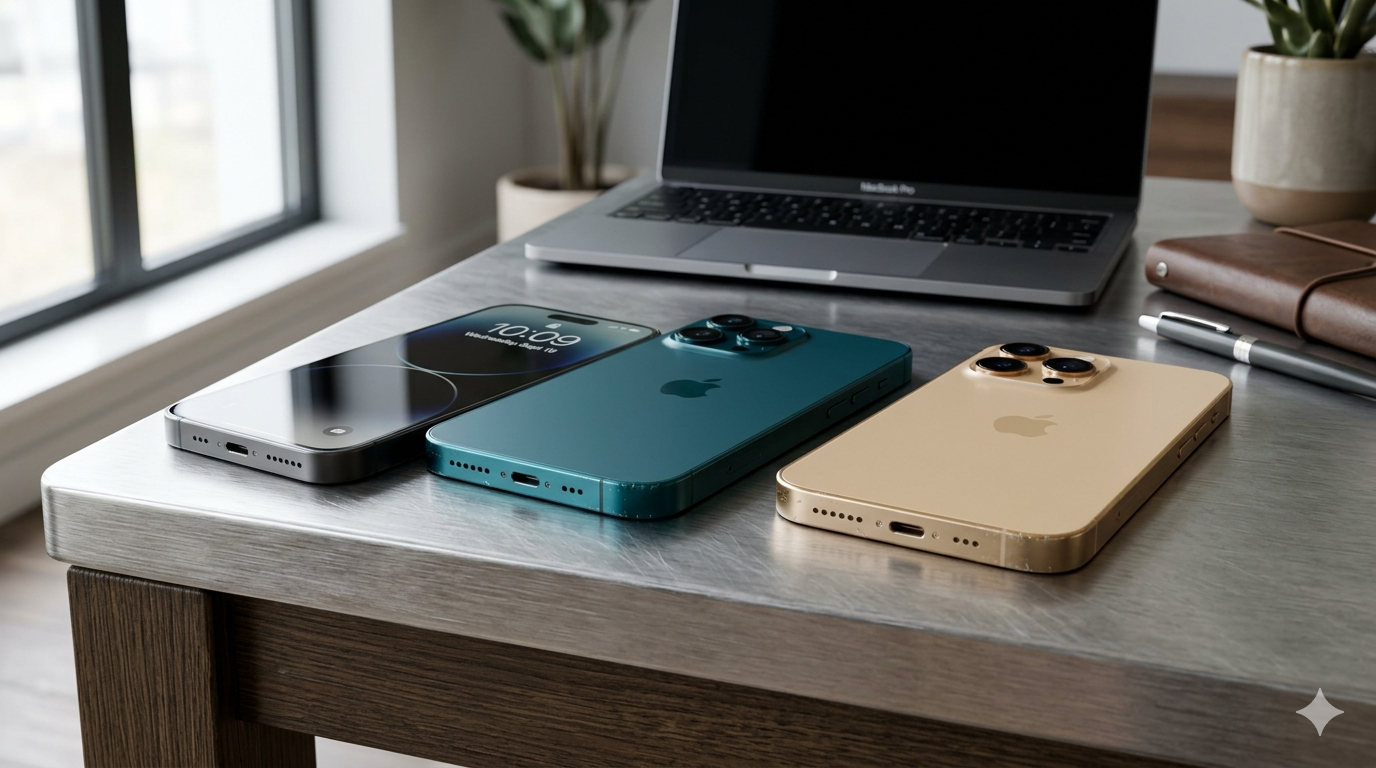



Digimagaz.com – Apple’s next-generation iPhone 18 Pro may continue prioritizing lighter materials and improved thermal performance, but a new rumor suggests buyers could face familiar concerns regarding finish durability.
As anticipation builds for Apple’s 2026 flagship lineup, a new leak indicates that the iPhone 18 Pro and iPhone 18 Pro Max will reportedly maintain the aluminum alloy construction introduced with the previous generation. While the material choice may offer practical advantages, some industry watchers are questioning whether Apple has fully addressed concerns surrounding paint wear and cosmetic damage.
Aluminum Frame Expected to Remain on iPhone 18 Pro
According to information shared by a well-known source on the Chinese social media platform Weibo, Apple is expected to continue using an aluminum alloy chassis for the iPhone 18 Pro series.
The report highlights one of aluminum’s key strengths: heat management. Compared with some premium materials used in previous smartphone generations, aluminum can provide more efficient heat dissipation, helping devices manage demanding workloads such as gaming, AI-powered tasks, and high-resolution video recording.
This suggests Apple may be prioritizing thermal efficiency and device performance over a return to materials such as titanium, which previously appeared in the company’s Pro lineup.
New Colors Could Introduce Familiar Concerns
While the rumored aluminum construction may bring performance benefits, the leak also raises concerns about the durability of the device’s finish.
The source cautions that some of the upcoming color variants could be vulnerable to paint peeling or visible wear over time. The warning echoes complaints that surfaced after the launch of the iPhone 17 Pro, when some users reported scratches, chips, and cosmetic imperfections appearing sooner than expected.
Although aluminum itself is durable, the appearance of anodized or painted finishes can vary depending on manufacturing methods, coating quality, and daily usage patterns. Darker finishes often make scratches and chips more noticeable because the lighter metal beneath becomes visible when the surface coating is damaged.
Lessons From the iPhone 17 Pro
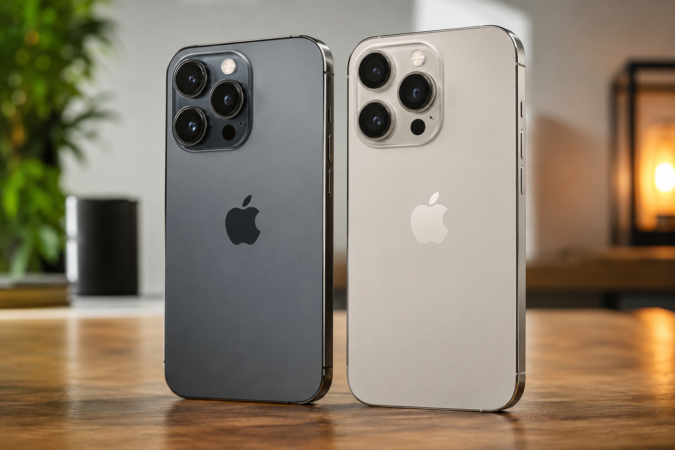
The iPhone 17 Pro marked a significant design shift for Apple. After several years of emphasizing titanium frames in its premium smartphones, the company transitioned to an anodized aluminum unibody construction.
Shortly after release, some users reported that certain color options appeared more susceptible to visible wear than others. Online discussions frequently mentioned darker finishes showing scratches and edge damage more prominently.
Independent durability testing also suggested that while much of the phone’s exterior held up well during everyday use, specific areas around the camera housing were more vulnerable to chipping and surface damage. These findings fueled debate among consumers about whether Apple’s design priorities favored aesthetics over long-term durability.
Additional reports later emerged involving color inconsistencies on some devices, with certain owners claiming that the finish gradually shifted in tone after extended use.
Rumored iPhone 18 Pro Colors
Industry sources currently suggest Apple could introduce four color options for the iPhone 18 Pro lineup:
- Dark Cherry
- Light Blue
- Dark Gray
- Silver
Among them, Dark Cherry is rumored to become the signature finish of the series. Early descriptions portray it as a sophisticated wine-inspired red that appears more understated than the brighter Cosmic Orange option offered on the previous generation.
Interestingly, rumors indicate Apple may once again skip a traditional black color option. If accurate, Dark Gray could become the closest alternative for users who prefer a darker, more neutral appearance.
Why Apple May Be Sticking With Aluminum
Apple’s continued use of aluminum may reflect broader industry trends rather than simply a cost-saving measure.
Modern smartphones are increasingly expected to handle AI processing, advanced camera functions, and console-quality gaming experiences. As internal components generate more heat, manufacturers are placing greater emphasis on thermal efficiency.
Aluminum offers several advantages:
- Better heat transfer compared with some premium materials
- Reduced overall device weight
- Easier manufacturing for complex designs
- Potential improvements in wireless performance due to material properties
If Apple has improved the coating process and structural design, the company may be betting that performance benefits outweigh previous concerns about cosmetic wear.
What to Expect Next
The iPhone 18 Pro and iPhone 18 Pro Max are widely expected to debut in September 2026 as part of Apple’s annual iPhone launch event. The lineup is also rumored to arrive alongside Apple’s first foldable iPhone, potentially making it one of the company’s most significant product unveilings in years.
For now, the biggest question may not be whether Apple sticks with aluminum, but whether it can deliver the premium durability that Pro users expect. If the latest rumors prove accurate, the new Dark Cherry finish could attract plenty of attention, but long-term durability may become one of the most closely watched aspects of the iPhone 18 Pro experience.