Table of contents:
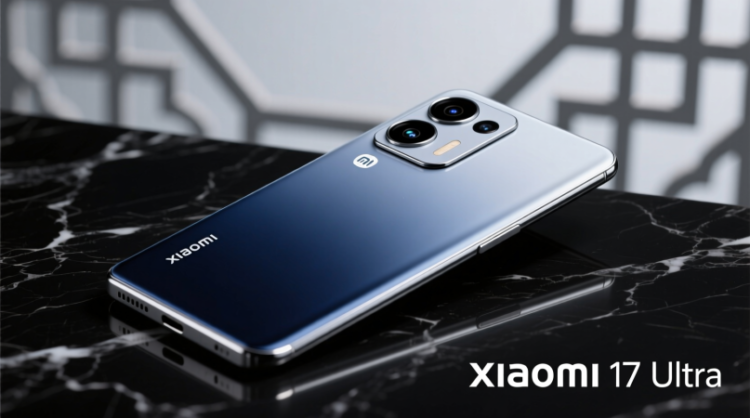
Digital Magazine – Xiaomi’s latest flagship, the 17 Ultra, is not just another high-end phone chasing benchmark scores. Instead, it reflects a broader shift in how smartphone makers approach photography, blending cutting-edge sensors with hardware features inspired by traditional cameras.
A Camera System Built for Serious Imaging
At the heart of the Xiaomi 17 Ultra is a camera setup designed to rival dedicated cameras in everyday use. The main camera uses a 1-inch 50-megapixel sensor with an f/1.67 aperture, a combination that favors better low-light performance and more natural depth. It is joined by a 200-megapixel periscope telephoto sensor with a large sensor size, allowing for detailed zoom shots without the heavy reliance on digital cropping.
Xiaomi completes the setup with a 50-megapixel ultrawide lens and a 50-megapixel front-facing camera, positioning the 17 Ultra as a balanced photography device rather than one focused on a single standout lens.
A Physical Zoom Ring Sets the Leica Edition Apart
The most distinctive feature of the Xiaomi 17 Ultra Leica edition is its mechanical zoom ring. Instead of adjusting zoom through on-screen controls, users can rotate the ring to change focal length, with the camera app activating automatically as soon as movement is detected. According to Xiaomi, the ring is precise enough to register extremely small movements, offering fine control that touch interfaces often struggle to match.
Beyond zoom, the ring can be customized for other manual controls such as focus or exposure compensation. This design choice clearly targets users who prefer a more hands-on shooting experience, closer to what they would expect from a dedicated camera.
Leica Design and Software Influence
Leica’s influence is evident not only in the hardware but also in the overall presentation. The Leica edition features a two-tone finish, textured edges, and subtle branding that reference classic Leica cameras. On the software side, Xiaomi includes Leica-inspired film simulations and a dedicated 3:2 aspect ratio mode aimed at photographers who favor traditional composition.
Xiaomi also bundles accessories with the Leica edition, including a lens cap, lanyard, magnetic case, and cleaning cloth. These additions reinforce the idea that this model is meant to be treated as a photography tool, not just a standard smartphone.
Flagship Performance and Display Hardware
Outside of photography, the Xiaomi 17 Ultra delivers top-tier performance. It is powered by Qualcomm’s Snapdragon 8 Elite Gen 5 processor and can be configured with up to 16GB of LPDDR5X RAM and 1TB of UFS 4.1 storage. The large 6.9-inch AMOLED display supports a 120Hz refresh rate and reaches very high peak brightness, making it well suited for outdoor use and media editing.
Battery life is supported by a 6,800mAh silicon-carbon battery, along with fast wired and wireless charging, addressing the heavy power demands of advanced camera hardware.
Premium Pricing Signals a Strategic Shift
The Xiaomi 17 Ultra and its Leica edition are priced firmly in premium territory, competing directly with flagship models from Google and Samsung. This pricing suggests Xiaomi is no longer positioning its top-tier devices as value alternatives, but as full-fledged competitors in the high-end smartphone segment.
A Different Take on the Future of Smartphone Cameras
With the 17 Ultra, Xiaomi is experimenting with a more tactile and deliberate photography experience. By reintroducing physical controls and emphasizing camera-focused design, the company is making a case for smartphones that feel more like dedicated cameras. Whether this approach resonates with a wider audience remains to be seen, but it clearly sets the Xiaomi 17 Ultra apart in a crowded flagship market.