Table of contents:
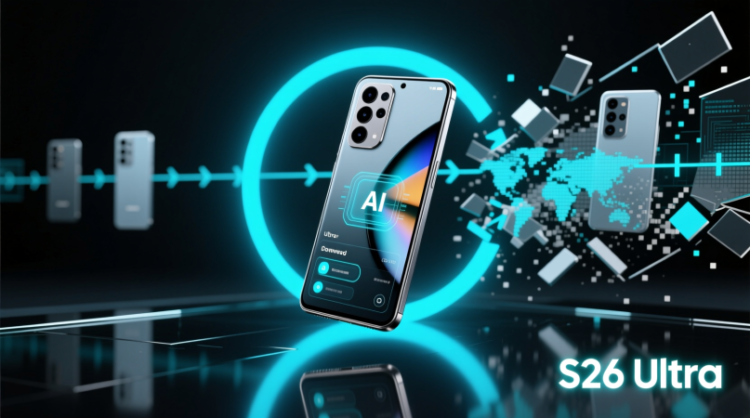
Digimagaz.com – Samsung is expected to introduce the Galaxy S26 series at its first Galaxy Unpacked event of 2026, but the timing may look different from recent years. After holding flagship launches in January throughout 2024 and 2025, Samsung is now widely expected to push the unveiling of the Galaxy S26 family into late February. If that shift holds, it would mark a notable change in strategy for the world’s largest smartphone maker and one that carries both risk and opportunity.
Why the Galaxy S26 Timeline Is Slipping
Early plans for Samsung’s 2026 lineup reportedly included three premium models: Galaxy S26 Pro, Galaxy S26 Edge, and Galaxy S26 Ultra. Market realities appear to have forced a rethink. Sales performance of the Galaxy S25 Edge is believed to have fallen short of internal expectations, weakening the case for another Edge-branded flagship. At the same time, the Galaxy S26 Pro was positioned as a more premium entry-level model with upgraded cameras and higher base specifications, a move that would likely have raised prices.
That pricing strategy became harder to justify after Apple launched the iPhone 17 at the same starting price as its predecessor and saw strong retail traction. In response, Samsung appears to be returning to a more accessible base model, simply branded Galaxy S26, while keeping the Ultra as the clear top-tier option. Adjusting the lineup mid-cycle often creates ripple effects across development, certification, and marketing timelines, which helps explain the reported delay.
The Business Risks of a February Launch
Pushing Galaxy Unpacked into late February could move retail availability into early March. That timing matters. Samsung would likely miss the tail end of the Chinese New Year shopping period, a critical sales window across several Asian markets. When first-quarter sales numbers are compared against the Galaxy S25 series, the S26 family could appear weaker in the short term, even if long-term demand remains strong.
The delay also gives competitors a head start. Flagship devices such as the OnePlus 15, Xiaomi 17 Ultra, and Honor Magic8 Pro are expected to arrive earlier in the year, all powered by Qualcomm’s Snapdragon 8 Elite Gen 5 chipset. With more time on store shelves and in consumers’ hands, these rivals can shape early 2026 buying decisions before Samsung enters the conversation.
From a media perspective, the timing is less forgiving as well. Samsung would still launch ahead of Mobile World Congress, which begins on March 2, 2026, but the gap between Galaxy Unpacked and MWC would be much shorter than usual. That leaves journalists and analysts with less time to focus on Samsung’s announcements before shifting attention to competitors in Barcelona.
The Strategic Upside for Samsung
Despite the risks, the delay is not without upside. Samsung can frame the move as prioritizing readiness over tradition. Extra weeks allow more time to refine both hardware and software, which has become increasingly important as flagship smartphones grow more complex.
OneUI 8.5 is already in beta testing and is widely expected to debut on the Galaxy S26 Ultra. A longer beta period gives Samsung more opportunity to polish features, address performance issues, and avoid the “launch now, patch later” reputation that has followed some recent flagship releases across the industry. A smoother software experience at launch could meaningfully improve early reviews and user sentiment.
There are also hints that the additional time may have enabled last-minute hardware improvements. Regulatory filings in China suggest the Galaxy S26 Ultra could support 60W wired charging, an upgrade from the 45W limit on the Galaxy S25 Ultra. While not revolutionary, faster charging remains a highly marketable improvement and could help offset disappointment around the delayed launch.
Positioning the Galaxy S26 Ultra for 2026
When the Galaxy S26 Ultra finally arrives, it is still expected to be positioned as a powerhouse device designed to set Samsung’s flagship tone for the year. However, it will not launch into a quiet market. A later debut means competitors will have already defined their narratives, captured mindshare, and potentially locked in early adopters.
For Samsung, the challenge will be to clearly articulate why waiting was worthwhile. That argument will likely center on a more refined OneUI experience, incremental but meaningful hardware upgrades, and tighter integration of Galaxy AI features that are expected to expand further in 2026.
Is the Galaxy S26 Ultra Worth the Wait?
A February unveiling raises valid concerns around sales momentum and competitive pressure, but it also suggests Samsung is taking a more measured approach after several rapid launch cycles. If the extra time translates into better software stability, improved charging performance, and a more coherent product lineup, the Galaxy S26 Ultra could still arrive as one of the most compelling Android flagships of the year.
Whether consumers see the delay as a setback or a smart recalibration will ultimately depend on what Samsung delivers when the curtain finally lifts.