
Digimagaz.com – In a smartphone market where flagship prices routinely climb past $1,000, the real competition is happening closer to the $200 mark. That is where manufacturers must decide which essentials to preserve and which features to trim. With the Samsung Galaxy A17 5G, Samsung is making a calculated bet: most buyers want reliability, a good screen, and long-term software support more than raw power.
The result is a budget handset that feels more considered than compromised.
Design That Punches Above Its Price
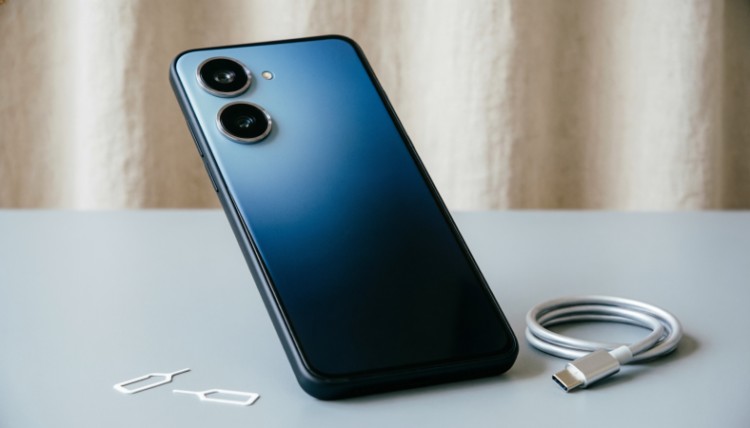
At first glance, the Galaxy A17 does not scream “budget.” It features a polycarbonate frame and back, but the materials feel sturdy rather than flimsy. Buttons are firm, the camera housing is well integrated, and the device avoids the hollow feel that often plagues entry-level phones.
There are clear cost-saving decisions. The front camera sits in a teardrop notch instead of a modern punch-hole design, and a slight chin remains below the display. Audio comes from a single mono speaker, and fingerprint authentication is handled through a side-mounted sensor rather than an in-display reader. Still, these are sensible trade-offs at this price point.
One standout feature that is increasingly rare, even in higher tiers, is expandable storage. The Galaxy A17 includes a microSD card slot, allowing users to build on the base 128GB storage without relying solely on cloud services. For budget-conscious buyers, that flexibility matters.
A Bright OLED Screen for Less
The 6.7-inch OLED display is arguably the phone’s strongest asset. With brightness reaching up to 800 nits and a 90Hz refresh rate, the screen feels modern and fluid in everyday use. While it stops short of the 120Hz panels seen in midrange and flagship devices, the difference is not dramatic for typical scrolling and video playback.
For context, even premium base models from brands like Apple were shipping with 60Hz displays until recently. In that light, Samsung’s inclusion of a 90Hz OLED panel at $200 feels like a strategic move to differentiate the A17 from similarly priced competitors.
Performance: Adequate, Not Aspirational
Under the hood, the Galaxy A17 runs on Samsung’s Exynos 1330 processor paired with 4GB of RAM in its base configuration. The chip is not new, and that shows in heavier workloads.
Initial setup can feel sluggish, and multitasking between demanding apps reveals occasional slowdowns. There can also be a slight delay in touch responsiveness. That said, once updates are installed and background tasks settle, everyday performance stabilizes. Messaging, social media, video streaming, and light gaming are all manageable.
Users who can stretch their budget slightly should consider the higher RAM variant. The added memory helps smooth out multitasking and may improve longevity as apps become more demanding over time.
Cameras: Solid in Daylight, Limited After Dark
The Galaxy A17 features a triple rear camera setup, headlined by a 50MP main sensor and a 5MP ultrawide lens. A 2MP macro camera rounds out the system, though its real-world usefulness is limited.
In well-lit environments, photos are sharp and colorful. The main sensor captures enough detail for social media and casual sharing, and the ultrawide offers flexibility for landscapes and group shots.
However, low-light photography exposes the device’s limits. Images can appear soft, with reduced dynamic range and less accurate color reproduction. When compared to pricier midrange devices like the Google Pixel 9a, the difference becomes noticeable, especially in challenging lighting conditions.
For users who prioritize night photography or advanced computational imaging, stepping up to a higher tier may be worthwhile. But for daytime snapshots, the A17 performs better than its price suggests.
Battery Life and Charging
Equipped with a 5,000mAh battery, the Galaxy A17 delivers solid endurance. It comfortably lasts through a full day of moderate to heavy use, including streaming, browsing, and messaging.
Charging is handled via 25W wired support, which is respectable for this segment. Wireless charging, however, is not included. That omission is consistent with the phone’s budget positioning and unlikely to surprise buyers at this level.
Software Longevity as a Competitive Edge
Perhaps the most forward-looking aspect of the Galaxy A17 is Samsung’s commitment to six years of operating system and security updates. In the sub-$250 category, long-term support is rare.
This extended update policy may ultimately be more valuable than a slightly faster processor. For many consumers, knowing the device will remain secure and current for years can outweigh incremental hardware advantages.
The Bigger Picture
The Galaxy A17 does not attempt to redefine the budget category. Instead, it refines it. By focusing on a strong display, dependable build quality, expandable storage, and long-term software support, Samsung delivers a phone that covers the essentials without unnecessary flash.
For buyers locked into a strict $200 budget, the Galaxy A17 is one of the more balanced options available today. Those with additional flexibility might explore higher-tier alternatives for improved performance and camera quality. But for what it costs, Samsung’s latest budget contender proves that affordability does not have to mean settling for less where it matters most.