Table of contents:
Digimagaz.com – The video game industry has rarely faced a contradiction as stark as it does today. Developers are releasing some of the most ambitious and technically impressive games in history, yet the hardware required to play them is becoming increasingly expensive and harder to justify for mainstream consumers.
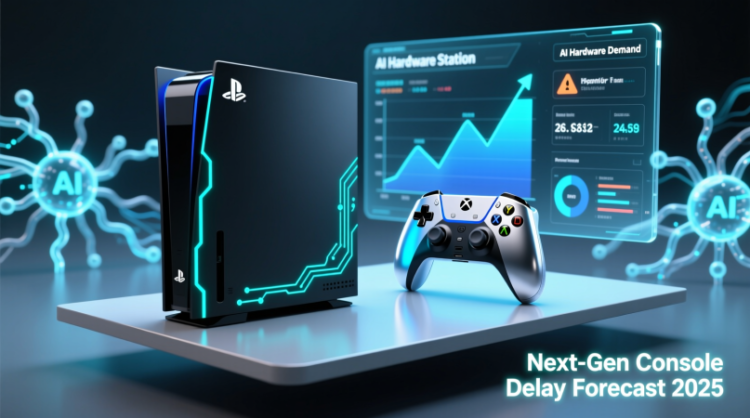
According to a recent report from industry insider Tom Henderson, major console makers including Sony and Microsoft are internally discussing whether the next generation of consoles should be delayed beyond their current targets of 2027 or 2028. If that shift happens, it would stretch the current console cycle to as long as eight years, a notable departure from historical norms.
The core issue behind these discussions is not game development or silicon design, but memory. Specifically, the global shortage and rising cost of RAM.
AI’s Growing Appetite Is Reshaping Hardware Economics
RAM prices have surged dramatically over the past two years, driven largely by the explosive expansion of artificial intelligence infrastructure. Data centers powering large language models and AI workloads require massive amounts of high speed memory, and suppliers are prioritizing those clients because of their scale and margins.
As a result, consumer electronics manufacturers are facing sharply higher component costs. For console makers, RAM represents a significant portion of a system’s bill of materials, especially as modern games demand more memory to support higher resolutions, larger worlds, and advanced physics systems.
The hope, according to the report, is that delaying new consoles could give memory manufacturers time to expand production capacity, eventually easing prices. Until that happens, launching a new system could mean selling hardware at a steep loss or pushing prices into uncharted territory.
Current Consoles Are Getting More Expensive, Not Cheaper
One of the more troubling signals for the industry is that current generation consoles are moving in the opposite direction of what consumers expect. Traditionally, consoles become cheaper as they age. This generation has done the reverse.
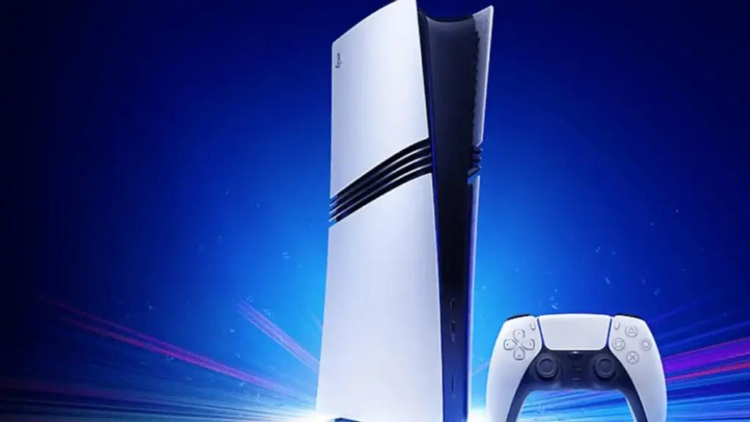
Sony has already raised PlayStation 5 prices in multiple regions, making the console more expensive than it was at launch in some markets. Microsoft has implemented two rounds of price increases, with the 2TB Xbox Series X now priced at $800 in the United States. That figure approaches high end gaming PC territory, without offering the same flexibility.
The impact on sales has been visible. Xbox hardware sales have reportedly declined sharply, suggesting that price sensitivity is becoming a serious constraint. Nintendo has avoided mid cycle price hikes so far, but its upcoming Switch successor launched at $450, well above the original Switch’s $300 starting point. Even the first generation Switch recently saw a price increase, a rare move for aging hardware.
What Happens to PlayStation 6 and the Next Xbox?
If current consoles are already pushing consumer limits, the question becomes unavoidable. How much would a next generation console cost if launched under current market conditions?
Estimates for PlayStation 6 or the next Xbox now regularly land between $800 and $1,000 at launch, with even higher prices expected outside the United States due to taxes and currency effects. For manufacturers, those prices may still not be enough to avoid losses if component costs remain elevated.
This pricing reality threatens the traditional console value proposition. Consoles have long thrived by offering powerful gaming experiences at accessible prices, subsidized by software and services. That model becomes harder to sustain when hardware costs approach premium PC levels.
Consumers Are Under Pressure Too
Compounding the issue is a broader economic reality. Global consumers are facing higher costs across nearly every category, from housing to food to utilities. Even enthusiastic gamers are becoming more cautious about large discretionary purchases.
Spending close to $1,000 on a gaming console is a very different decision than spending $300 or $400, particularly when subscription services, accessories, and games add hundreds more over time. The risk for platform holders is not just slower adoption, but a smaller overall audience.
A Longer Console Generation May Be Inevitable
If delays do occur, the industry could see a longer period of cross generation releases, incremental mid cycle refreshes, or increased reliance on cloud gaming and streaming solutions to bridge the gap. None of these options fully replace the impact of a true generational leap, but they may be necessary under current conditions.
For now, AI’s rapid expansion continues to reshape the hardware landscape in ways that extend far beyond data centers. Its influence is being felt in living rooms, store shelves, and pricing strategies across the gaming industry. Whether relief arrives before the next console cycle remains one of the most consequential questions facing gaming’s future.