Digimagaz.com – As anticipation builds for the 2026 iPhone cycle, Apple Inc. appears to be taking a measured approach with its upcoming flagship lineup. Rather than chasing dramatic visual changes, the company is reportedly prioritizing deeper hardware evolution, smarter connectivity, and a new release strategy that could reshape how consumers upgrade.
Here’s a closer look at what the iPhone 18 Pro could signal for the future of the iPhone ecosystem.
A Strategic Shift: Premium First, Mass Market Later
For years, Apple has followed a predictable fall launch cadence across all iPhone tiers. That pattern may change in 2026.
Reports suggest the iPhone 18 Pro and Pro Max will debut in September alongside a long-rumored foldable iPhone, while standard models like the base iPhone 18 and a potential “e” variant could be delayed until spring 2027.
This staggered rollout is more than a scheduling tweak. It positions premium devices as early adopters of next-generation technologies while encouraging budget-conscious buyers to wait. In effect, Apple may be turning its Pro lineup into a testing ground for innovations that later trickle down.
Familiar Design, Smarter Refinement
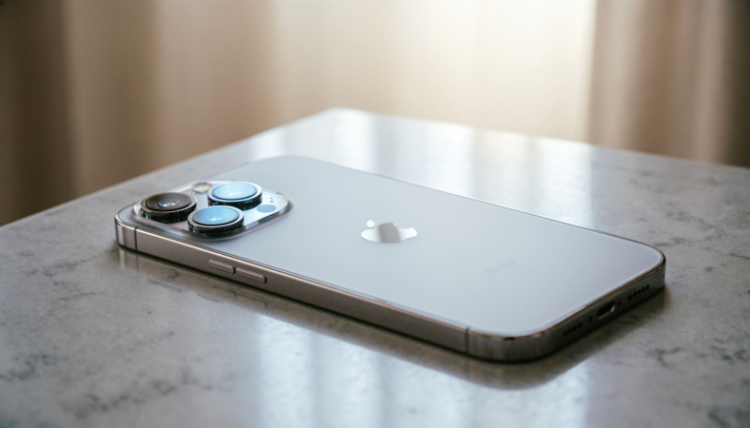
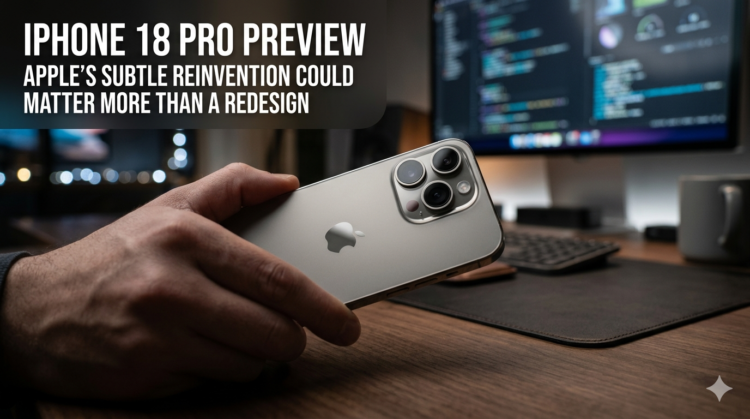
At first glance, the iPhone 18 Pro may look similar to its predecessor. Apple is expected to retain its flat-edged design and triple-camera system, avoiding any radical overhaul.
However, subtle changes could make a meaningful difference:
- A smaller Dynamic Island, potentially reduced by over 30 percent
- Slightly thicker chassis on the Pro Max, likely to accommodate a larger battery
- A more unified rear finish, minimizing contrast between glass and frame
- New color experimentation, including a rumored deep red option
Rather than chasing bold aesthetics, Apple appears focused on refining usability and internal efficiency.
Display Evolution Without the Big Leap—Yet
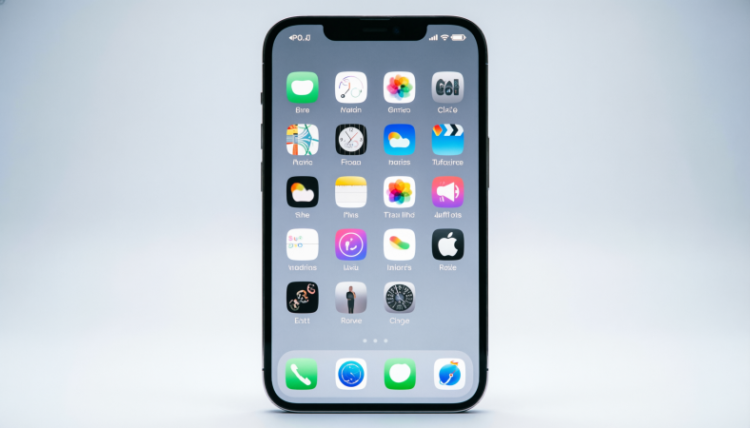
Despite ongoing speculation about under-display Face ID, the technology may not be ready for 2026. Instead, Apple is expected to shrink the Dynamic Island rather than eliminate it.
This incremental approach suggests Apple is balancing innovation with reliability. While competitors experiment with fully hidden sensors, Apple seems intent on perfecting the experience before making a major leap.
A Camera System Aimed at Creators
The most significant upgrades could arrive in the camera system.
Apple is reportedly testing a variable aperture lens, a feature more common in professional cameras than smartphones. This would allow users to manually control how much light enters the lens, opening new creative possibilities for depth of field and exposure.
Additional enhancements may include:
- A three-layer stacked image sensor, improving responsiveness and dynamic range
- Wider apertures for both main and telephoto lenses
- Potential teleconverter technology to extend optical zoom capabilities
If these features materialize, the iPhone 18 Pro could move closer to dedicated camera territory, appealing to content creators and mobile photographers.
The A20 Chip: A Quiet Power Revolution
Under the hood, Apple is expected to introduce its first 2-nanometer chip, likely branded as the A20 or A20 Pro.
This shift could deliver:
- Up to 15% faster performance
- Around 30% better power efficiency
- Improved AI processing through tighter integration of memory and compute components
The move to 2nm is significant, not just for speed, but for energy efficiency. Combined with new packaging technology, it could free up internal space and contribute to longer battery life.
However, higher manufacturing costs may limit this chip to Pro models, reinforcing Apple’s premium-first strategy.
Connectivity: The Push Beyond Traditional Networks
Apple’s in-house modem development continues to evolve, with the C2 modem expected to debut in this generation.
One of the most intriguing possibilities is expanded satellite connectivity, potentially enabling:
- Broader off-grid communication
- Limited internet access without traditional cellular coverage
- Integration with apps like Maps and Photos
If Apple opens satellite access to third-party apps, it could create an entirely new layer of mobile functionality—especially in remote or underserved areas.
Battery Life Gets a Practical Boost
Battery performance is expected to improve, particularly for the Pro Max variant.
With a rumored capacity exceeding 5,000 mAh and the efficiency gains of the 2nm chip, users could see meaningful gains in real-world usage. Rather than flashy charging speeds, Apple seems focused on endurance and consistency.
Pricing: Stability as a Competitive Tool
Despite rising component costs, Apple may hold pricing steady for the Pro lineup. This decision, if confirmed, could be a strategic move to maintain competitiveness as innovation becomes more expensive.
Absorbing higher production costs while introducing advanced technologies may help Apple strengthen its position in the premium smartphone segment.
The Bigger Picture: Evolution Over Hype
The iPhone 18 Pro may not deliver a headline-grabbing redesign, but it represents something arguably more important: a shift in how Apple innovates.
Instead of dramatic annual changes, the company appears to be investing in foundational improvements—chip architecture, camera flexibility, and network independence—that could define the next decade of smartphones.
For consumers, the decision to upgrade may come down to priorities. Those seeking visible change might find the update modest. But for users who value performance, photography, and future-ready connectivity, the iPhone 18 Pro could be one of Apple’s most meaningful upgrades in years.