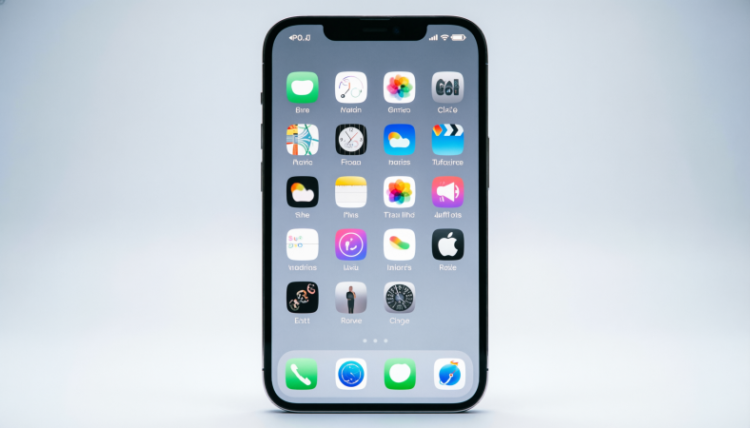
Digimagaz.com – Apple has officially released iOS 26.3 alongside updates across its ecosystem, including iPadOS 26.3, macOS Tahoe 26.3, watchOS 26.3, tvOS 26.3, and visionOS 26.3. While the update does not introduce sweeping visual changes or major new tools, it represents a strategic maintenance release focused on reliability, system stability, and gradual platform evolution.
Instead of headline-grabbing features, iOS 26.3 emphasizes behind-the-scenes improvements while introducing select privacy enhancements, a new cross-platform data transfer method between iOS and Android devices, and regulatory-driven capabilities for users in Europe. Analysts view the release as a transitional step leading into a more ambitious iOS 26.4 update expected later this year.
A Maintenance Update With Strategic Purpose
Compared to past mid-cycle releases, iOS 26.3 is relatively modest in scope. Apple appears to be using this update to refine performance and address minor usability concerns rather than redefine the user experience.
One small but notable interface change includes separating Weather and Astronomy wallpapers into different sections. Although minor, adjustments like this reflect Apple’s incremental approach to improving system organization without disrupting familiar workflows.
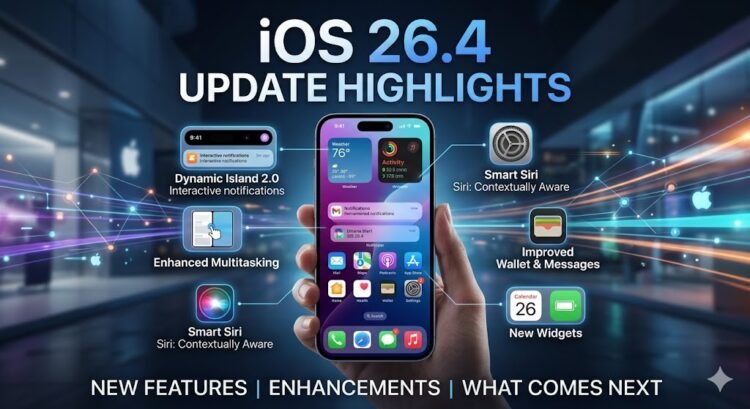
Industry watchers suggest that Apple’s restrained approach may be intentional, allowing the company to reserve larger innovations for the upcoming iOS 26.4 update. Early rumors indicate that the next release could introduce expanded AI capabilities and deeper software enhancements, making iOS 26.3 more of a foundation update than a flagship release.
New Cross-Platform Data Transfer Simplifies Switching Between iOS and Android
One of the most practical additions in iOS 26.3 is a new data migration method designed to make switching between iOS and Android devices more seamless. Instead of relying solely on dedicated apps, users can now initiate transfers by placing two compatible devices side-by-side.
Once both phones are connected to the same Wi-Fi network and have Bluetooth enabled, the devices recognize each other automatically. A QR code then appears to guide users through the transfer process.
Currently supported data includes:
-
Photos and videos
-
Messages and notes
-
Apps and passwords
-
Mail accounts and phone numbers
-
Voice memos and WhatsApp data
Although health data and connected device information remain limited to their native ecosystems for now, the new transfer standard signals growing cooperation between Apple and Google in reducing platform lock-in and improving user mobility.
Expanded Privacy Controls Introduce Location Masking Option
Privacy remains a central theme in Apple’s software strategy, and iOS 26.3 introduces a new option designed to limit how precisely mobile carriers can track users. The feature allows compatible devices to share only an approximate location rather than an exact address.
Importantly, the setting does not interfere with apps that require precise location sharing, such as navigation tools or Apple’s Find My service. Instead, it adds a layer of control at the carrier level, potentially reducing exposure to unwanted tracking or profiling.
However, availability is currently limited. The feature only works on select iPhones equipped with Apple-designed 5G modems and is supported by a small group of participating carriers. As Apple expands its modem technology across future iPhone models, broader adoption is expected.
Europe-Focused Changes Reflect Ongoing Regulatory Shifts
Several new features in iOS 26.3 apply exclusively to European users with European Apple accounts, highlighting the company’s response to evolving regional regulations and competitive policies.
Key changes include:
-
Enhanced accessory compatibility: Third-party headphones can now offer a fast-pair experience similar to AirPods, reducing friction when connecting new audio devices.
-
Expanded NFC access for developers: Banking and payment apps may provide contactless payment functionality directly within their apps, reducing dependence on Apple Wallet.
-
Improved interoperability: Developers can integrate Apple-style sharing and connectivity features with non-Apple devices, opening the door to broader cross-platform collaboration.
These updates represent a shift toward greater openness within Apple’s ecosystem, particularly in markets where regulators have pushed for increased competition and interoperability.
Experimental Features Still in Development
Apple has also tested a new Notification Forwarding capability that allows users to respond to iPhone notifications from third-party smartwatches. While the feature remains in beta and was not fully finalized for iOS 26.3, its continued development suggests Apple may be exploring ways to broaden compatibility beyond the Apple Watch ecosystem.
Looking Ahead: iOS 26.3 as a Bridge to Larger Changes
Although iOS 26.3 may feel incremental compared to earlier updates, it plays a critical role in preparing the platform for future upgrades. By prioritizing system stability, privacy refinements, and interoperability, Apple appears to be laying groundwork for more transformative features expected in the next major release cycle.
For most users, the benefits will be subtle but meaningful. Improved performance, smoother device transitions, and enhanced privacy controls reinforce Apple’s long-term strategy of balancing innovation with reliability.
As anticipation builds for iOS 26.4 and its rumored AI-driven capabilities, iOS 26.3 stands as a reminder that incremental updates often shape the user experience just as much as headline-grabbing releases.