Digimagaz.com – Google has marked a milestone with the tenth generation of Pixel smartphones, unveiling a family of four devices the Pixel 10, Pixel 10 Pro, Pixel 10 Pro Fold, and Pixel 10a. While the Pro models and foldable option cater to users seeking no-compromise specifications, the standard Pixel 10 emerges as the most intriguing release. This year, the entry-level model is less about compromise and more about reshaping expectations of what a “base flagship” should deliver.
From a larger battery and advanced telephoto camera to new AI-driven features powered by the Tensor G5 chip, the Pixel 10 feels less like an entry device and more like a rival to the Galaxy S25 and iPhone 16 but at a more approachable $799 price point.
Refined Design and Display Upgrades
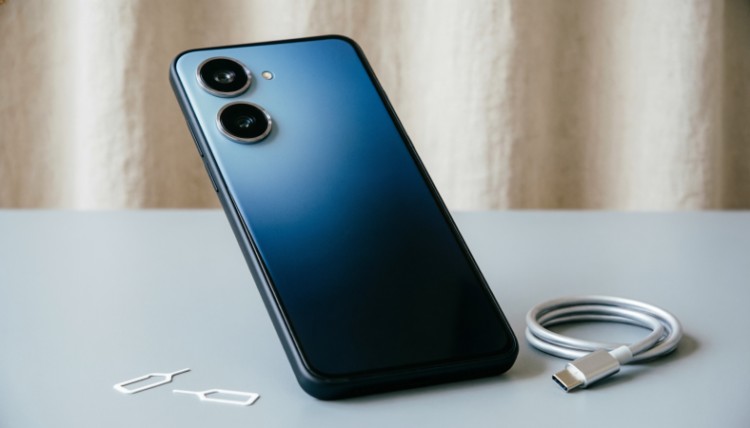
The Pixel 10 retains Google’s signature pill-shaped camera bar, which doubles as a surprisingly useful grip. The refreshed color palette including Indigo and Lemongrass alongside the classic black and white finishes adds a modern touch to the lineup.
The 6.3-inch OLED display keeps the 120Hz refresh rate but boosts peak brightness to 3,000 nits, improving outdoor visibility. HDR content reaches 2,000 nits, making movies and streaming noticeably more vibrant compared to last year’s Pixel 9. Google has also tuned the audio system, adding more depth and bass for an overall richer multimedia experience.
One of the most significant hardware changes is the addition of Pixelsnap, Google’s answer to Apple’s MagSafe. With Qi2 compatibility, the Pixel 10 securely attaches to chargers, tripods, and accessories. While wireless charging remains capped at 15W, the magnetic ecosystem brings much-needed flexibility, allowing the Pixel to tap into many MagSafe-compatible accessories already on the market.
A Telephoto Camera That Elevates the Base Model
The most impressive leap is in the camera system. The Pixel 10 introduces a 5x telephoto lens — an addition rarely seen on base flagship smartphones. Paired with a 48MP wide and 13MP ultra-wide sensor, the setup dramatically widens the creative possibilities for photographers.
Compared to rivals, the Pixel 10’s 5x optical zoom places it ahead of the Galaxy S25’s 3x telephoto and well beyond the iPhone 16, which lacks a telephoto lens entirely. With Super Res Zoom extending up to 20x, the Pixel 10 delivers versatility typically reserved for premium-tier models.
Google also layers on its signature computational photography features. Night Sight, Add Me (for merging group shots), and the new Camera Coach provide both novices and enthusiasts with AI-driven tools to frame, compose, and experiment. Camera Coach, while not flawless, offers real-time guidance on angles and lighting, powered by on-device Gemini AI.
AI Integration That Feels Practical
With the Tensor G5 chip, the Pixel 10 can run Google’s Gemini Nano model directly on-device, reducing reliance on cloud connectivity for AI tasks. This enables faster, more private execution of tools like Magic Cue, which intelligently surfaces relevant information across apps, emails, and calendars when needed.
Magic Cue still has limitations — especially with non-Google apps but it signals a shift in how AI can function as a proactive assistant, rather than a reactive one. Other notable tools include real-time translation during calls, Take a Message transcription, and AI-powered writing assistance in Gboard. Together, they illustrate Google’s broader ambition to integrate AI into everyday smartphone use, not just as a novelty but as a core utility.
Performance and Battery Life
The Tensor G5 brings a 34% performance boost over last year’s G4, with AI-specific processing jumping by 60%. While benchmark results will confirm the gains after launch, real-world use shows smoother multitasking, faster image generation, and reliable performance in graphically demanding games like Zenless Zone Zero.
Battery life, however, is a mixed story. Despite housing a larger 4,970mAh battery than its predecessor, the Pixel 10 delivered around 22 hours in looping video playback tests, falling short of the Pixel 9’s endurance. Wired charging peaks at 30W, while wireless remains capped at 15W modest figures compared to competitors but sufficient for most daily users.
Verdict: A Flagship Disguised as a Base Model
The Google Pixel 10 blurs the line between standard and premium smartphones. Its 5x telephoto lens, Pixelsnap magnetic system, and Gemini-powered AI tools elevate it beyond expectations for a $799 device. While its battery performance lags slightly behind last year’s model and eSIM-only support in the U.S. may frustrate some, the overall package positions the Pixel 10 as one of the most compelling base flagships on the market.
For users who don’t demand 8K video or the absolute top-tier specs of the Pixel 10 Pro, the standard Pixel 10 delivers exceptional value and perhaps the clearest sign yet that Google intends to go head-to-head with Samsung and Apple at every level of the smartphone market.