Table of contents:
- Why 2026 matters more than a typical Apple cycle
- iPhone in 2026: expansion, not reinvention
- Macs: silicon cadence reshapes the lineup
- iPad: steady hardware, heavier software lift
- Wearables, audio, and spatial computing
- How much trust should buyers place in Apple leaks?
- Is waiting for 2026 the right move?
- What the 2026 roadmap says about Apple’s future
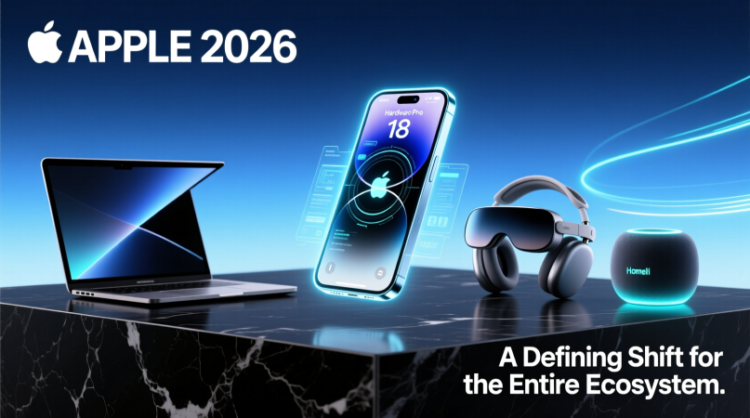
Digital Magazine – Apple’s product pipeline for 2026 is emerging as one of the most ambitious stretches in the company’s recent history. Rather than centering on a single breakthrough device, the roadmap points to a coordinated evolution across iPhone, Mac, iPad, wearables, and spatial computing, all tied together by next-generation Apple silicon and deeper cross-device integration.
Based on a growing body of supply-chain reporting, software references, and analyst commentary, Apple appears to be positioning 2026 as a transition year. The focus is less about dramatic redesigns in isolation and more about aligning hardware tiers, performance classes, and software capabilities into a tighter, more interconnected platform.
While none of these products are official until Apple announces them, the consistency of the signals makes the broader direction worth examining.
Why 2026 matters more than a typical Apple cycle
Apple traditionally refreshes products on predictable schedules, but the 2026 timeline stands out for its sheer volume and strategic overlap. Reports suggest more than a dozen meaningful hardware updates landing across a relatively short window, spanning multiple chip generations and form factors.
For buyers, especially professionals and long-term Apple users, this creates a real decision point. Purchasing now may mean missing a major silicon transition, while waiting could unlock devices designed to stay relevant for much longer. For Apple, the challenge is just as significant: expanding choice without diluting clarity in an already crowded lineup.
iPhone in 2026: expansion, not reinvention
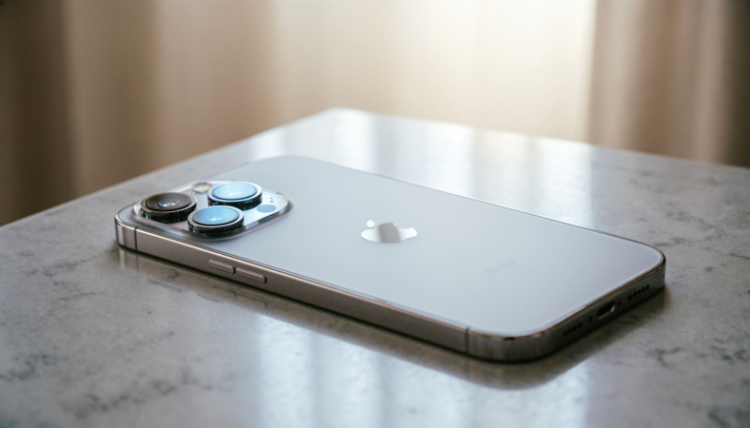
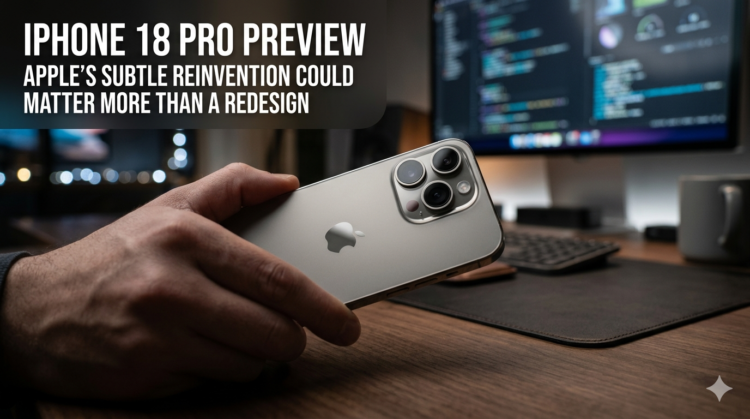
Leaks surrounding Apple’s 2026 iPhone plans suggest a broader portfolio rather than a single headline device. The expected iPhone 18 family is rumored to include multiple tiers, from standard models to premium Pro variants, alongside more affordable options aimed at extending upgrade cycles.
What makes this cycle notable is the potential addition of Apple’s first foldable iPhone. Rather than treating it as an experiment, reports describe it as a top-tier product positioned above the traditional Pro models. If accurate, this would mark Apple’s most significant expansion of the iPhone concept since the introduction of larger screen sizes nearly a decade ago.
Design changes across the rest of the lineup are expected to be subtle, with refinements to bezels and interface elements rather than a wholesale aesthetic reset. The bigger shifts may be happening under the surface, as Apple prepares the platform for more radical changes anticipated around the iPhone’s 20th anniversary.
Macs: silicon cadence reshapes the lineup
On the Mac side, 2026 is shaping up to be defined almost entirely by Apple silicon progression. References found in upcoming versions of macOS point to a wide range of unannounced machines, reinforcing expectations of a dense refresh cycle.
M5-powered MacBooks and desktops are widely anticipated, bringing incremental but meaningful gains in efficiency and sustained performance. These updates are expected to touch everything from MacBook Air to Mac Studio, ensuring that Apple maintains a clear performance ladder across consumer and professional systems.
Beyond that, attention is already turning to M6-class machines, particularly in the MacBook Pro line. OLED displays, long rumored for Apple laptops, are increasingly tied to this next silicon generation. If the timing holds, late 2026 or early 2027 could usher in the most substantial MacBook Pro redesign since the Apple silicon transition began.
Another intriguing possibility is the return of a larger iMac positioned explicitly for professional users. A high-end, large-screen all-in-one would fill a gap between consumer desktops and modular Mac systems, signaling Apple’s renewed interest in display-centric workstations.
iPad: steady hardware, heavier software lift
Compared to iPhone and Mac, the iPad’s 2026 story appears more restrained on the hardware side. Updates are expected to focus on chip upgrades rather than bold new designs, with refreshed iPad Air and iPad Pro models keeping pace with Apple’s silicon roadmap.
The more meaningful changes may arrive through software. As Apple continues to blur the line between tablet and laptop use cases, future iPadOS releases are expected to emphasize advanced multitasking, external display support, and on-device AI features that take advantage of newer chips.
In this context, the iPad’s role becomes less about competing with Macs and more about acting as a flexible node within Apple’s broader productivity ecosystem.
Wearables, audio, and spatial computing
Apple’s accessory ecosystem is also likely to see steady evolution in 2026. Apple Watch updates are expected to focus on performance efficiency and health-related features, building on trends established in recent generations rather than introducing radical new designs.
Audio products such as AirPods may see broader segmentation, potentially including lower-cost options aimed at expanding Apple’s reach without undermining premium models. Tracking accessories like AirTag are also rumored to be due for a second-generation refresh, with improvements that emphasize precision and power efficiency.
Spatial computing remains the most uncertain but potentially transformative part of the roadmap. A revised Vision-class headset powered by newer silicon could address early criticisms around weight, cost, and comfort, gradually moving the platform beyond early adopters toward wider relevance.
How much trust should buyers place in Apple leaks?
Even with the unusually high volume of reporting, Apple’s long-term plans remain fluid. The company has a well-documented history of shifting timelines, canceling features, or reordering launches in response to technical or market realities.
That said, when multiple independent sources converge around the same themes, such as expanded iPhone tiers, M5 and M6 Macs, and continued investment in spatial computing, the overall trajectory becomes harder to dismiss. The details may change, but the direction appears consistent.
Is waiting for 2026 the right move?
The decision to wait depends largely on individual needs. Users relying on aging hardware or facing immediate performance bottlenecks may gain more from upgrading now, particularly given how capable recent Apple silicon devices already are.
For those with flexibility, 2026 could represent a rare alignment of new form factors, major silicon transitions, and deeper software integration. The potential payoff is hardware designed with a longer future in mind, especially as AI-driven features become more central to everyday workflows.
What the 2026 roadmap says about Apple’s future
Taken as a whole, Apple’s projected 2026 lineup reflects a company doubling down on its core strategy. Custom silicon remains the foundation, product lines are becoming more tiered and specialized, and the ecosystem itself is the primary differentiator.
Rather than chasing isolated innovations, Apple appears focused on making each device more valuable in combination with the others. If the roadmap holds, 2026 may be remembered less for a single breakout product and more for cementing Apple’s vision of a tightly integrated, multi-device future.
As always, the specifics will evolve. But the broader message from today’s leaks is clear: Apple is preparing for a more complex, more interconnected decade of hardware, and 2026 looks like a key step in that transition.