Digimagaz.com – Samsung’s latest flagship is facing renewed scrutiny after a growing number of Galaxy S26 Ultra owners reported an unexpected display problem. Following earlier discussions surrounding the phone’s Privacy Display technology and complaints of eye strain, some users are now noticing a noticeable red tint developing on their screens after several months of use.
The reports have become significant enough that Samsung is reportedly investigating the issue to determine whether it stems from a hardware defect or another underlying cause.
Users Say the Red Tint Appears Over Time
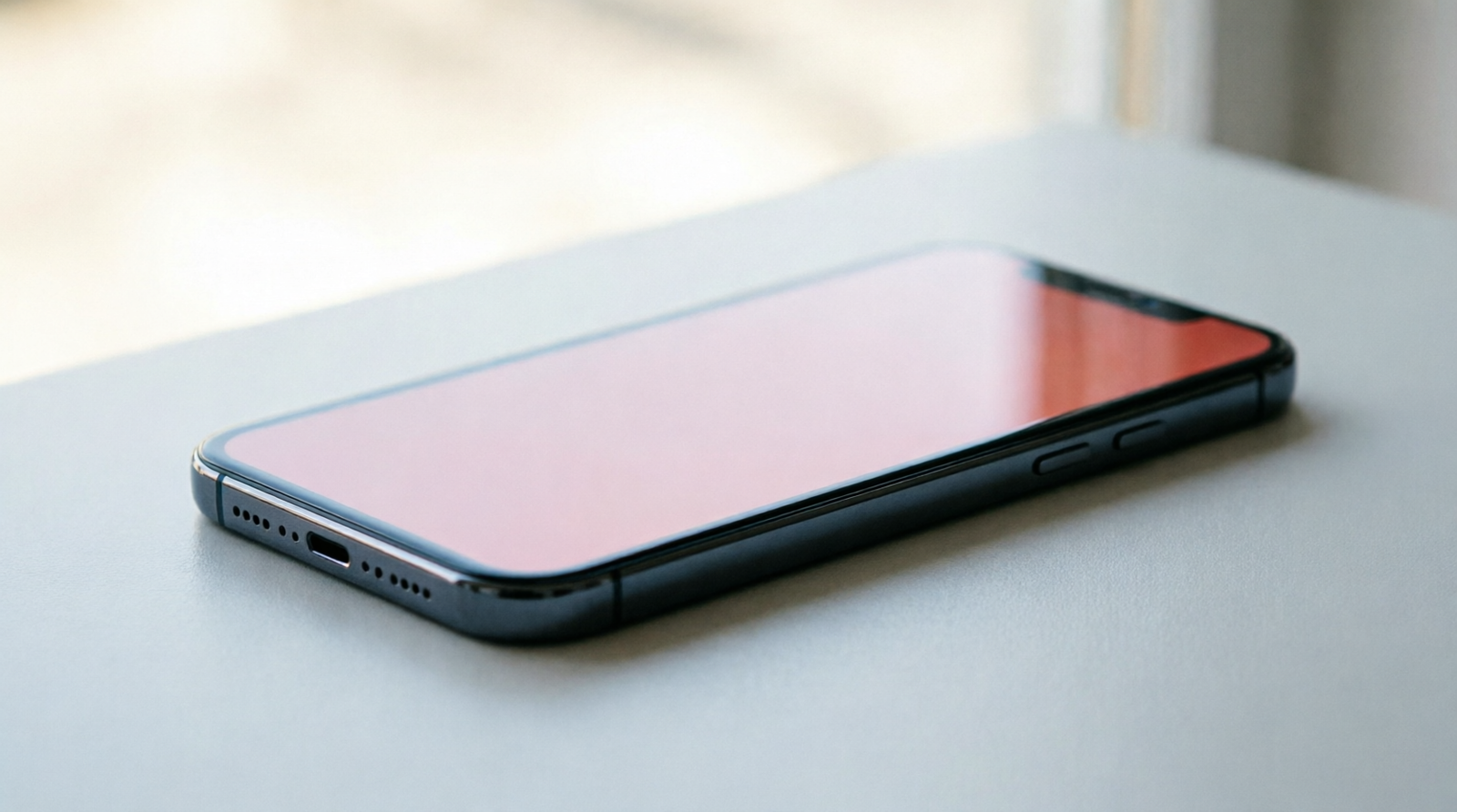
Unlike defects that are immediately visible out of the box, many affected Galaxy S26 Ultra owners claim their displays initially looked normal. According to user reports, the reddish discoloration gradually appeared after roughly two to three months of regular use.
The tint is commonly described as being concentrated around the center of the display rather than affecting the entire panel equally. While the total number of impacted devices remains unknown, the volume of online complaints has drawn enough attention for Samsung to begin examining the reports.
At this stage, there is no official confirmation regarding the root cause.
Privacy Display Technology Under the Microscope
One of the Galaxy S26 Ultra’s standout features is its Privacy Display technology, which limits screen visibility from side angles to protect sensitive information from nearby viewers.
Unlike software-based privacy filters, Samsung’s implementation relies on hardware-level pixel and light management. By altering how light is emitted from the display, the feature helps ensure content remains visible primarily to the person viewing the phone directly.
Because the Galaxy S26 Ultra is currently the only Samsung smartphone equipped with this technology, some observers believe the feature could be connected to the emerging display issue.
If the light-emission structure required for Privacy Display affects color consistency over time, it could potentially explain why some users are reporting uneven color reproduction. However, Samsung has not confirmed any relationship between the feature and the red tint.
Other Possible Explanations
While Privacy Display is attracting the most attention, it is far from the only theory.
Several other possibilities are being discussed, including:
- OLED panel aging that leads to uneven color performance
- Manufacturing inconsistencies affecting a limited production batch
- Display calibration issues that become more noticeable as panels age
- Traditional OLED burn-in or image retention
Without an official technical analysis, it’s impossible to determine which explanation is correct.
Earlier Complaints Focused on Eye Strain
The red tint reports follow another controversy involving the Galaxy S26 Ultra’s display.
Soon after launch, some early adopters reported experiencing headaches, eye fatigue, and nausea while using the device. Interestingly, several users claimed the discomfort continued even after disabling the Privacy Display feature.
This led to speculation that the issue might instead be linked to the display’s Pulse Width Modulation (PWM) dimming behavior. PWM is commonly used by OLED displays to control brightness, but lower-frequency implementations can cause discomfort for users who are particularly sensitive to screen flicker.
Although no direct connection has been established between PWM sensitivity and the newly reported red tint, both concerns have placed the S26 Ultra’s display technology under increased scrutiny.
Can a Software Update Fix the Problem?
If the red tint ultimately proves to be caused by hardware degradation, a software update is unlikely to provide a permanent solution.
In that scenario, Samsung could choose one of several approaches:
- Replace affected display panels
- Offer full device replacements for qualifying customers
- Launch a repair program if the issue becomes widespread
However, Samsung could also determine that the observed color variation falls within normal AMOLED manufacturing tolerances.
The company has previously noted that slight color differences are an inherent characteristic of AMOLED displays rather than evidence of a defect. Users are typically advised to adjust display color settings if they notice variations.
Whether that explanation will satisfy customers depends on the outcome of the ongoing investigation.
Some Users Report the Opposite Problem
Interestingly, not every complaint points in the same direction.
While many users describe a reddish cast appearing on the display, others say red colors actually appear muted or washed out instead of overly saturated.
These conflicting reports suggest there may be more than one display-related issue affecting certain Galaxy S26 Ultra units, or that different production batches could be behaving differently.
Further investigation will be needed before a clear pattern emerges.
Most Galaxy S26 Ultra Owners Appear Unaffected
Despite the growing online discussion, there is currently no indication that the issue impacts every Galaxy S26 Ultra.
The flagship continues to perform well commercially, suggesting that the majority of owners are using their devices without experiencing noticeable display problems.
Still, because many reports indicate the red tint develops only after months of ownership, long-term reliability will likely remain an area of interest for both Samsung and consumers.
For users who begin noticing unusual color shifts, documenting the issue with photos, checking warranty eligibility, and contacting Samsung support may be the best course of action while the company continues its investigation.
Read More :