
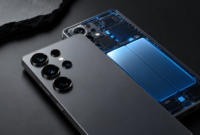


Digimagaz.com – Apple appears to be preparing one of the most significant hardware shifts in iPhone history. After years of watching competitors experiment with foldable devices, the company is now widely expected to enter the category with its first foldable handset, frequently referred to as the “iPhone Fold.” While Apple has not officially confirmed the device, growing reports from analysts and industry insiders suggest a debut as early as fall 2026.
Rather than simply joining a trend, Apple’s rumored approach hints at a broader strategy that could reshape both premium smartphone pricing and the direction of mobile design.
A Possible 2026 Launch Window Signals Apple’s Calculated Entry
Multiple industry observers believe Apple will introduce its foldable iPhone alongside the iPhone 18 Pro lineup. If that timeline holds, the company will be arriving later than rivals such as Samsung, Huawei, and Motorola. However, Apple’s historically cautious rollout of new product categories often signals a focus on refinement rather than speed.
Supply chain discussions suggest that advanced flexible OLED panels could come from Samsung Display, which currently dominates the foldable screen market. The reliance on an experienced supplier may help Apple avoid some of the durability concerns that plagued early foldable phones.
Still, a number of factors could influence the launch timeline. Analysts continue to flag potential component shortages, particularly in memory and specialized display materials, which could shift release plans if manufacturing yields fall short.
Premium Pricing May Redefine the Foldable Market
One of the most consistent rumors surrounding the iPhone Fold involves its expected price. Analysts have suggested a range between $2,000 and $2,500, placing it firmly in ultra-premium territory. Early projections from market researchers indicate that the average selling price could hover around $2,400, which would make it one of the most expensive mainstream smartphones ever released.
Despite that steep entry point, analysts believe Apple could still command a large share of revenue within the foldable segment. Market forecasts suggest the company could capture a significant percentage of foldable device spending in its first year, largely due to brand loyalty and the company’s strong ecosystem integration.
The bigger implication is not simply cost but positioning. Apple’s strategy may focus on redefining foldables as luxury productivity tools rather than experimental gadgets. If successful, that shift could elevate consumer expectations across the entire category.
Design Rumors Suggest a Book-Style Foldable With a Focus on Usability
Most credible leaks point toward a book-style folding design similar to current large foldables. Reports indicate a large internal display around 7.8 inches paired with a smaller external screen measuring roughly 5.5 inches. That configuration would allow users to operate the device like a traditional smartphone when closed while offering tablet-like functionality when opened.
Recent design leaks also hint at a unique button placement, potentially moving volume controls to a different position along the device frame. While such changes may seem minor, they reflect Apple’s willingness to rethink familiar ergonomics for foldable hardware.
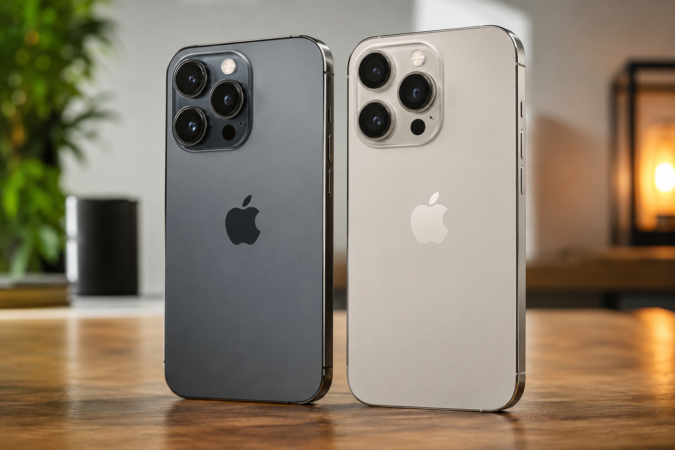
Another recurring rumor involves the camera setup. Instead of a triple-lens system typical of Apple’s flagship devices, the foldable model could use two rear cameras supported by additional front-facing and internal lenses for video calls and photography in both folded and unfolded modes.
Display Innovation Could Be Apple’s Key Differentiator
Perhaps the most anticipated element of the rumored iPhone Fold is its display technology. Reports suggest Apple is heavily focused on eliminating the visible crease that has been a common criticism of existing foldable phones. Industry insiders claim the company is prioritizing thinness, durability, and visual consistency across the folding mechanism.
Some analysts have also suggested that Apple may incorporate advanced hinge materials, potentially including liquid metal components, to improve longevity and reduce mechanical wear. If implemented successfully, these improvements could address long-standing consumer concerns about foldable reliability.
Another interesting possibility involves biometric authentication. While Face ID has become a signature feature on recent iPhones, some reports indicate that Apple may reintroduce Touch ID in the foldable model, potentially due to design constraints or to offer additional flexibility for users.
Battery and Hardware Expectations Remain Speculative
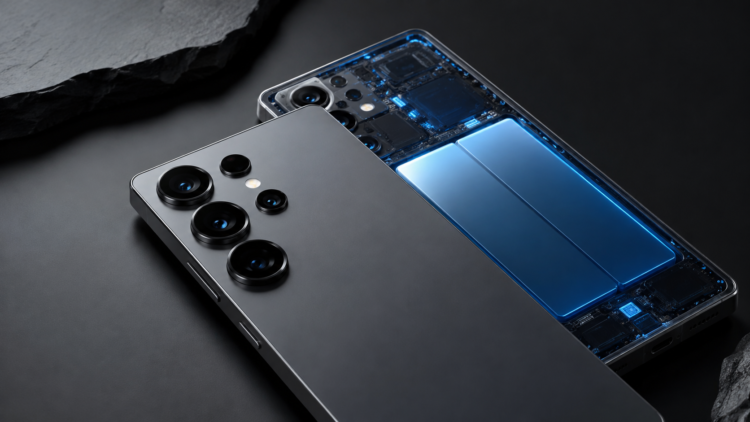
Leaks from social media sources claim the device could include Apple’s largest smartphone battery to date, although such information remains unverified. Given the power demands of dual displays and advanced multitasking features, a larger battery would be a logical addition.
Thickness estimates vary widely, with some rumors suggesting a relatively slim profile when unfolded. Differences in reported measurements may reflect the device’s dimensions in folded versus open states.
Beyond hardware specifications, Apple’s true advantage may come from software optimization. Foldable-focused multitasking features, improved continuity with macOS and iPadOS, and deeper integration with Apple’s productivity apps could make the device appealing to professionals rather than just tech enthusiasts.
The Bigger Picture: Apple’s Entry Could Transform Foldables
Apple’s late arrival to the foldable category may actually work to its advantage. By studying early successes and failures from competitors, the company has had years to refine its approach. If the rumored iPhone Fold delivers on durability, usability, and ecosystem integration, it could accelerate mainstream adoption of foldable devices.
Meanwhile, speculation is already building around a second foldable model, potentially a clamshell-style device sometimes referred to as the “iPhone Flip.” That product is rumored to follow a year after the first foldable launch, suggesting Apple could eventually develop a full lineup within the category.
Final Thoughts
While the iPhone Fold remains unconfirmed, the growing volume of consistent leaks suggests Apple’s foldable era may finally be approaching. If the company successfully balances innovation with practicality, its entry into the market could reshape consumer expectations and push the entire smartphone industry toward more flexible designs.
For now, much remains speculative. But with a possible 2026 launch window on the horizon, the conversation around foldable iPhones is shifting from rumor to anticipation, signaling a new chapter for Apple’s most iconic product line.