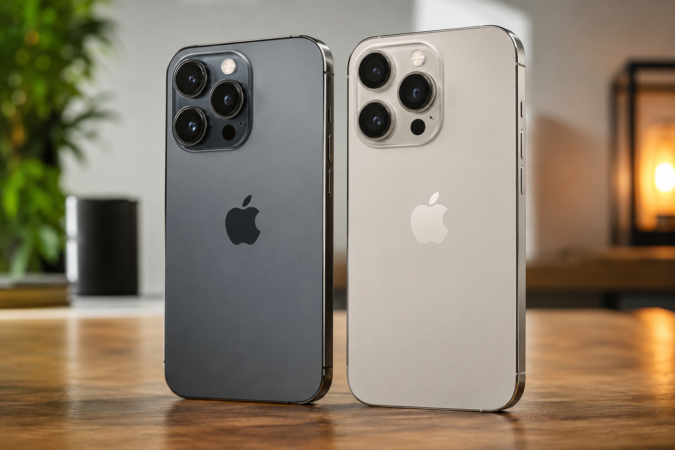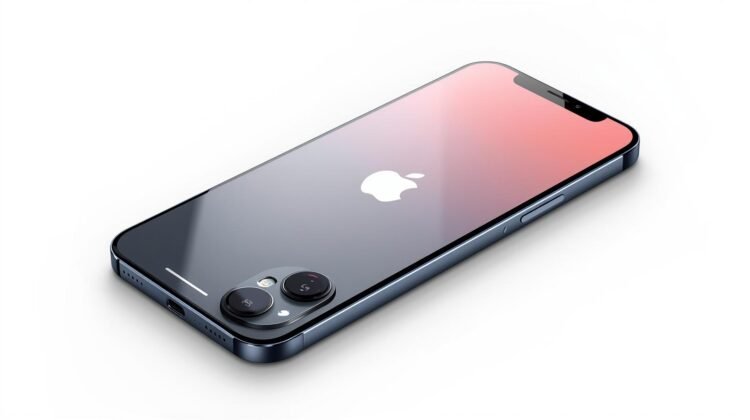



Digimagaz.com – Apple may be preparing one of its most meaningful design changes in years, according to new leaks surrounding the iPhone 18 Pro lineup. While the devices are still roughly nine months from launch, early details suggest the company is finally ready to hide Face ID beneath the display, a move that could quietly redefine the iPhone’s front-facing design.
The latest claims come from Digital Chat Station, a well-known leaker on China’s Weibo platform with a track record of accurately sharing Apple-related information. According to the account, the iPhone 18 Pro and iPhone 18 Pro Max will retain familiar screen sizes, measuring approximately 6.3 inches and 6.9 inches, respectively. These dimensions would mirror the current Pro models, signaling that Apple’s focus this cycle may be less about size and more about what happens beneath the glass.
Under-Screen Face ID Could End the Pill Cutout Era
The most notable detail is the continued mention of under-screen Face ID. If accurate, this would mark the first time Apple conceals its TrueDepth sensors below the display, eliminating the need for the pill-shaped cutout that has defined recent iPhones.
Earlier reporting from The Information also suggested that Apple plans to move the front-facing camera to the top-left corner of the display on the iPhone 18 Pro models. That shift would allow Face ID components to remain hidden while keeping camera performance intact. The result would be a cleaner, more uninterrupted screen, something Android manufacturers have experimented with for years, but rarely with the security standards Apple requires.
What Happens to Dynamic Island?
One unanswered question is the future of Dynamic Island. Since its introduction, the feature has become a core part of Apple’s interface for alerts, Live Activities, and background processes. If Face ID sensors disappear under the display, it is unclear whether Dynamic Island will remain a permanent on-screen element or transition into a more contextual, software-driven experience.
Some industry watchers believe Apple could keep Dynamic Island alive in a limited capacity, allowing it to appear only when needed, such as during navigation, music playback, or charging alerts. That approach would preserve its functionality without requiring a visible cutout at all times.
Standard Models Stick With Familiar Design
While the Pro models appear poised for a more dramatic shift, the standard iPhone 18 and the rumored iPhone Air 2 are expected to maintain a more conventional layout. Digital Chat Station claims both devices will continue using Dynamic Island and feature slightly smaller displays compared to the Pro Max.
The expected lineup includes:
- iPhone 18 with a 6.3-inch display
- iPhone Air 2 with a 6.5-inch display
- iPhone 18 Pro with a 6.3-inch display and under-screen Face ID
- iPhone 18 Pro Max with a 6.9-inch display and under-screen Face ID
All models are said to support 120Hz LTPO panels, reinforcing Apple’s push to make high refresh rates standard across the lineup.
A Staggered Launch Strategy May Be Coming
Another interesting wrinkle is timing. While Apple traditionally launches its flagship iPhones in September, current rumors suggest only the Pro models will follow that schedule. The standard iPhone 18 and iPhone Air 2 may not arrive until as late as March 2027, pointing to a possible split-release strategy.
If true, this would align with Apple’s recent efforts to differentiate Pro models more clearly, both in features and availability. Launching the Pro devices earlier could also help Apple maintain momentum in an increasingly competitive premium smartphone market.
Still Early, but the Direction Is Clear
As with all leaks, these details should be taken cautiously. Even reliable sources can be wrong, and Apple is known for testing multiple hardware configurations before finalizing its plans. Still, the repeated reports of under-screen Face ID from multiple outlets suggest that Apple is actively moving in that direction.
If the iPhone 18 Pro does debut with fully hidden Face ID hardware, it would represent the most significant front-design evolution since the original notch was introduced. More importantly, it would signal Apple’s confidence that under-display biometric technology has finally matured enough to meet its standards.
For now, nothing is official, but the early picture points to a future where the iPhone’s screen is closer than ever to being truly edge-to-edge.