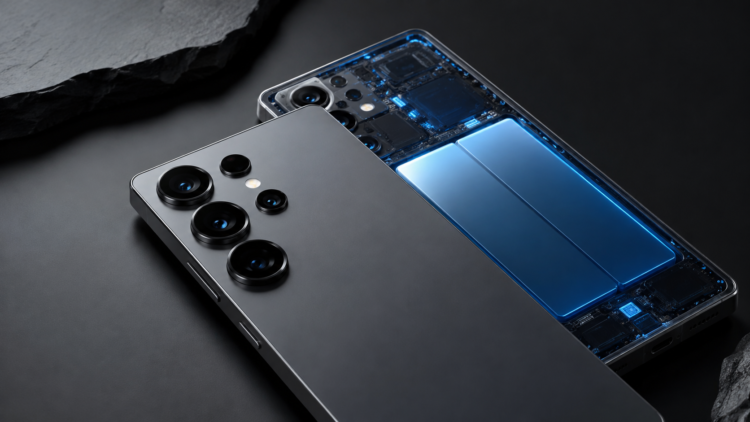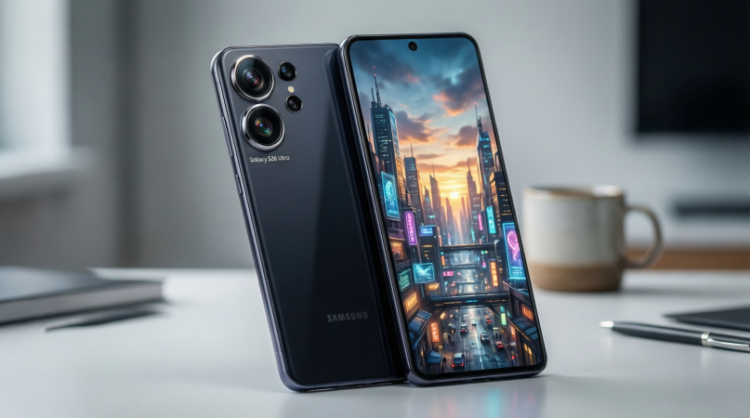
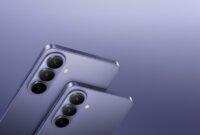
Digimagaz.com – Samsung is preparing to unveil the Galaxy S26 Ultra in the coming weeks, with a launch window that now appears to be later than many expected. A late-February Galaxy Unpacked event would put the S26 series closer to spring than winter, a subtle shift that matters more than it seems. In a segment where rivals are accelerating hardware innovation, timing and perception are just as critical as raw specifications.
The bigger question facing Samsung is not when the Galaxy S26 Ultra arrives, but whether it still represents the cutting edge of Android flagships.
Battery Strategy Under Growing Scrutiny
Battery technology has become one of the clearest battlegrounds in the premium smartphone market. Brands like Xiaomi and OnePlus have moved aggressively toward silicon-carbon batteries, unlocking capacities well above 6,500 mAh without increasing physical size. Against that backdrop, the Galaxy S26 Ultra’s rumored 5,000 mAh battery feels increasingly conservative.
Samsung has now held that same capacity for six consecutive Ultra generations, and regulatory filings suggest the S26 Ultra will make it seven. While software optimization and efficient displays help deliver reliable all-day endurance, consumer expectations have shifted. Battery life is no longer just about lasting until bedtime; it is about how much margin remains.
Charging speeds tell a similar story. Even if some S26 Ultra variants support faster wired charging than previous models, Samsung still trails competitors that routinely offer triple-digit wattage and significantly faster wireless charging. The result is not poor battery performance, but a widening perception gap between Samsung and brands that emphasize convenience and flexibility.
Cameras: Incremental Gains in a Rapidly Evolving Field
Samsung’s Ultra branding has long been tied to camera leadership, yet the Galaxy S26 Ultra appears poised for only modest refinements. A wider aperture on the main lens may improve low-light performance, but the underlying sensor lineup is expected to remain largely unchanged. The familiar 200-megapixel main sensor and 50-megapixel ultrawide and periscope cameras suggest continuity rather than reinvention.
Competitors are moving faster. Partnerships with legacy camera brands and larger sensors have become key selling points for Chinese flagships, especially in zoom and computational photography. Even small hardware changes, such as improved periscope designs, can translate into visibly better results. In that context, Samsung’s restrained approach risks making the S26 Ultra feel iterative rather than aspirational.
Memory, AI, and Long-Term Value
Artificial intelligence is reshaping what flagship phones are expected to do, particularly as more processing shifts from the cloud to the device itself. Memory capacity plays a crucial role in that transition. While 12 GB of RAM remains sufficient for today’s workloads, many rivals are already standardizing 16 GB or more to future-proof their devices.
Samsung is expected to reserve 16 GB RAM for the most expensive S26 Ultra configuration, leaving most models at 12 GB. That decision may not impact performance at launch, but it could affect longevity as on-device AI models grow more complex. In a market where premium buyers increasingly expect their phones to age gracefully, memory headroom is becoming a selling point rather than a footnote.
Where the Galaxy S26 Ultra Still Shines
Despite these concerns, the Galaxy S26 Ultra is far from underpowered. Samsung’s custom-tuned Snapdragon chipset should deliver top-tier performance, reinforcing the Ultra’s status as one of the fastest Android phones available. The continued inclusion of the S Pen remains a genuine differentiator, especially for users who value productivity features that competitors largely ignore.
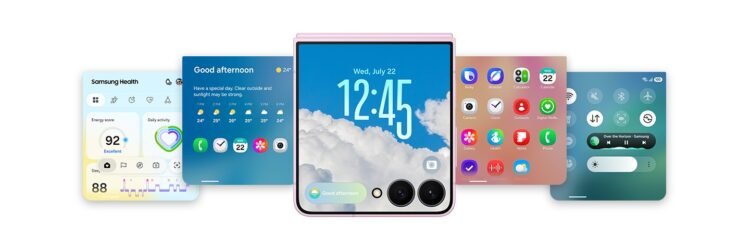
The display is another strong card. Samsung’s next-generation OLED technology is expected to deliver higher brightness with improved power efficiency, maintaining the company’s reputation for best-in-class screens. Combined with refined software and long-term update support, the S26 Ultra will still offer a polished, premium experience.
A Flagship Defined by Caution
The Galaxy S26 Ultra appears set to be a capable and refined smartphone, but not a bold one. Samsung is prioritizing reliability, maturity, and ecosystem strength at a time when competitors are taking visible hardware risks. For many buyers, that consistency will be reassuring. For others, especially those watching rapid advances in battery tech, charging speeds, and camera hardware, it may feel like Samsung is choosing to defend its position rather than extend it.
The Ultra name carries expectations. Whether the Galaxy S26 Ultra meets them will depend on how much value consumers place on stability versus ambition in 2026.