
Digital Magazine – Apple has taken a bold step with the iPhone Air, a smartphone that prioritizes sleek design and futuristic engineering over the traditional checklist of specs. At first glance, its higher price and pared-down hardware compared to the standard iPhone 17 may leave some questioning the value. But once in hand, the Air makes its case as Apple’s most daring handset in years — one that could hint at the company’s long-term vision for mobile devices.
A Design Statement More Than a Spec Sheet
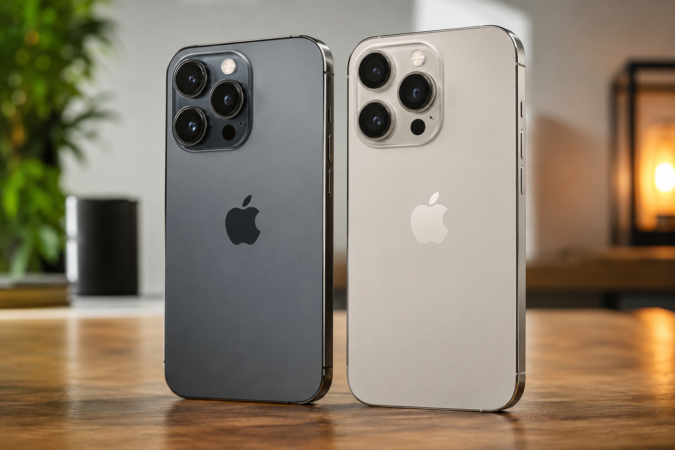
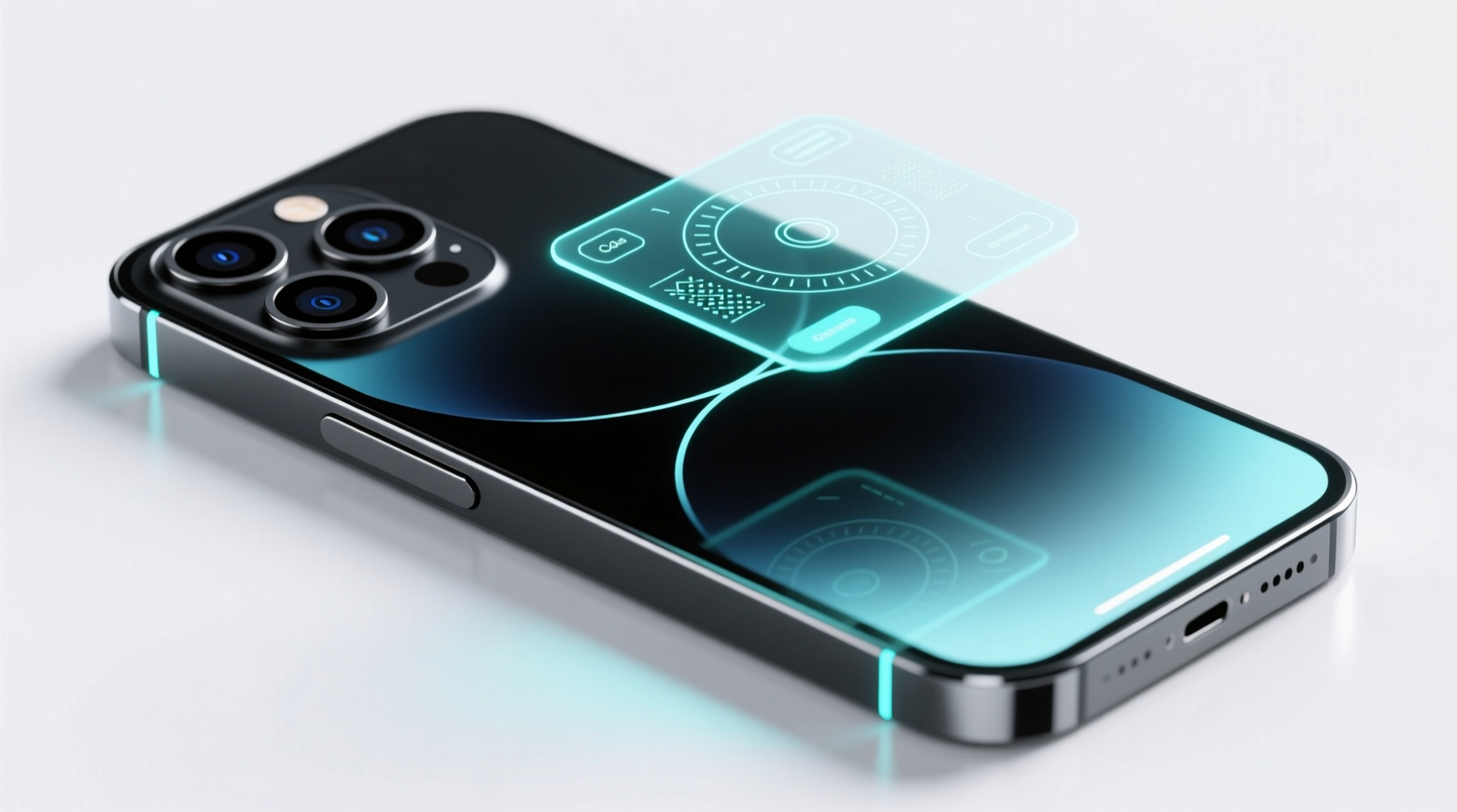
Measuring just 5.6mm thin and weighing only 165 grams, the iPhone Air is Apple’s lightest and slimmest smartphone to date. The titanium frame, rounded edges, and Ceramic Shield 2 coating not only reinforce its durability but also give it a polished, almost futuristic appearance. This design direction makes the device feel like more than just another iPhone — it feels like a glimpse into where Apple may be heading with foldables or ultra-thin hybrids.
Apple even re-engineered details down to the USB-C port, which is 3D-printed from titanium to accommodate the phone’s slim profile. For users who value form as much as function, the Air feels like holding a piece of industrial art.
Performance That Punches Above Its Weight
Despite being positioned between the standard and Pro lines, the iPhone Air houses the A19 Pro chip — the same silicon powering the iPhone 17 Pro models, albeit with one fewer GPU core. In practice, that difference is negligible. Whether switching between apps, gaming, or editing media, the Air performs smoothly.
The integration of Apple’s N1 and C1X chips improves energy efficiency, which is crucial given the phone’s smaller internal space for cooling and battery. While it lacks mmWave 5G support, everyday connectivity and speed remain uncompromised for most users.
Camera: Quality Over Quantity
The Air makes a controversial choice with just one 48MP rear camera, breaking away from the multi-lens trend that has become standard on premium smartphones. Yet, Apple’s computational photography upgrades ensure the Air captures crisp, vibrant shots in a wide range of conditions, even rivaling multi-camera competitors like the Galaxy S25 Edge and Pixel 10 Pro in low light.
The standout, however, may be the 18MP front camera with Center Stage technology. By using a square sensor, it seamlessly switches between portrait and landscape framing — a clever innovation that could influence future smartphone design.
Battery Life That Surprises
Skepticism about battery life on such a slim device is understandable, but the iPhone Air holds its own. Apple claims up to 27 hours of video playback, just shy of the iPhone 17, and real-world usage supports those numbers. Even with heavy gaming and extended screen time, the device manages a full day’s use without anxiety.
Charging remains fast and convenient, delivering 50% power in about 30 minutes via wired or wireless charging. Apple’s MagSafe Battery Pack pairs especially well with the Air, offering a portable solution that keeps with the phone’s slim design philosophy.
A Glimpse of Apple’s Future
The iPhone Air is not for everyone. At $999, it costs more than the standard iPhone 17 while offering fewer cameras and a slightly smaller display. But its ultra-thin build, premium materials, and forward-thinking engineering position it as Apple’s most experimental iPhone in recent memory.
More intriguingly, the Air feels like a stepping stone toward something bigger — perhaps even Apple’s first foldable phone. By solving challenges around thinness, heat management, and battery efficiency, Apple may already be laying the groundwork for its next revolutionary device.
Final Verdict
The iPhone Air is less about being the most practical iPhone and more about being the most aspirational one. For those who value cutting-edge design and portability, it is arguably Apple’s most stylish handset in years. For power users who need multiple cameras or the best connectivity options, the iPhone 17 Pro line may still be the safer bet.
But if Apple’s strategy is about pushing boundaries and setting the stage for what’s next, then the iPhone Air has already succeeded. It’s not just thin — it’s a statement.