
Table of contents:
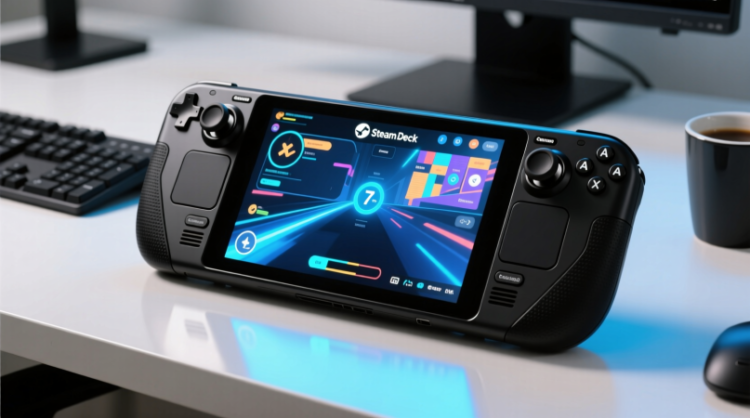
Digital Magazine – Valve has officially discontinued the $399 Steam Deck LCD with 256GB of storage, removing the lowest-priced entry in its handheld gaming lineup. The company confirmed the move through a short notice on the Steam Deck product page, stating that the model will no longer be produced once remaining inventory is sold. With the purchase option now disabled, new buyers can no longer rely on this version as an option.
As a result, the $549 Steam Deck OLED with 512GB of storage becomes the new starting point for anyone looking to buy the device brand new.
Why the 256GB LCD Model Mattered
The 256GB LCD Steam Deck played a critical role in bringing handheld PC gaming to a broader audience. It offered a rare balance of performance, price, and access to the full Steam library, undercutting many competing handheld PCs while delivering a console-like experience.
For budget-focused gamers, especially first-time buyers, this model lowered the barrier to entry in a way few devices have managed in recent years. Its removal fundamentally changes the value equation for new customers.
Rising Component Costs Likely Played a Role
Valve has not shared a specific reason for ending production, but industry conditions offer some clues. Memory prices have climbed significantly over the past year, with NAND flash costs becoming increasingly volatile. Suppliers have warned that pricing pressure could intensify into 2026 as chipmakers prioritize production for AI-related demand.
In that environment, lower-margin hardware configurations are often the first to be cut. The 256GB LCD Steam Deck, positioned as a budget option, may no longer have been financially sustainable at its original price point.
A Shift Toward a More Premium Lineup
The decision also aligns with a broader shift in Valve’s hardware strategy. The Steam Deck OLED is not just a cosmetic upgrade. It delivers better battery life, improved thermals, and a more refined display, positioning it as a higher-end product overall.
By narrowing the lineup to fewer, more capable models, Valve appears to be focusing on long-term platform stability rather than aggressive pricing. This move suggests the company wants the Steam Deck to be seen as a premium handheld PC rather than a low-cost alternative.
How This Affects Competition in the Handheld PC Market
Without the $399 model, the Steam Deck no longer stands alone as the most affordable mainstream handheld gaming PC. Competing devices like the Asus ROG Ally and Lenovo Legion Go S now sit much closer in price, even if they target slightly different audiences.
While the Steam Deck OLED remains competitively priced, its advantage now lies more in ecosystem integration and software maturity than in sheer affordability.
No Signs of a Next-Generation Steam Deck
Some speculation has suggested that Valve may be clearing the way for new hardware, but that seems unlikely. The company has previously stated it will not release a second-generation Steam Deck without a major leap in processor technology. No such breakthrough has been announced, indicating the current generation is expected to remain in place for several years.
Simplifying the product lineup may instead help Valve manage supply, support, and development more efficiently over the long term.
A Tough Moment for Budget Gamers
The removal of the $399 Steam Deck is a clear loss for cost-conscious gamers. For shoppers planning to buy a Steam Deck for the holidays, the only option now requires spending at least $150 more than before.
While refurbished units may appear in the future, the end of the 256GB LCD model marks the close of a rare moment when powerful handheld PC gaming was accessible at a truly mass-market price.