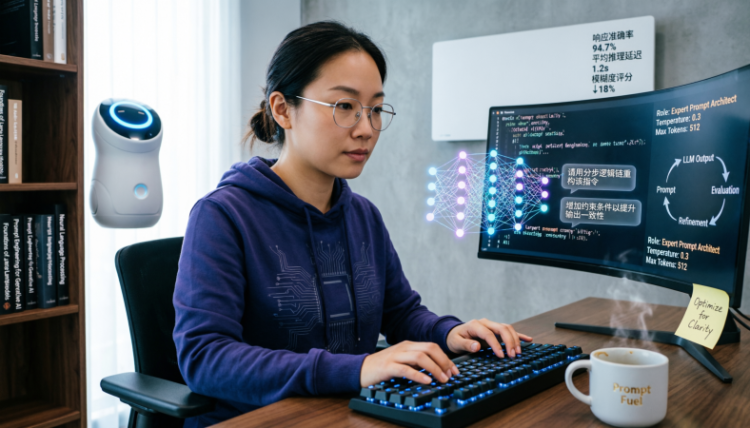
Digimagaz.com — In a move set to redefine the AI landscape, OpenAI has officially launched GPT-5, the latest generation of its flagship large language model, marking its first major leap since the release of GPT-4 more than two years ago.
Touted as a substantial upgrade in both performance and adaptability, GPT-5 promises not only speedier responses but also sharper reasoning skills, enhanced safety mechanisms, and expanded customization for both casual users and enterprise clients.
OpenAI CEO Sam Altman described the jump in quality as “significant in obvious ways and subtle ways,” emphasizing that returning to GPT-4 after testing the new model felt “quite miserable.”
A Universal Rollout — With Tiered Access
For the first time, OpenAI is rolling out its newest core model to all ChatGPT users, regardless of subscription tier. However, feature access and usage caps will vary:
-
Free Users will have limited GPT-5 access, after which a lighter GPT-5 Mini will take over.
-
Plus Users gain higher usage limits with the standard GPT-5 model.
-
Pro Users enjoy unlimited usage and access to GPT-5 Pro, the most capable variant.
-
Enterprise, EDU, and Team Accounts will see GPT-5 as the default, though full deployment may take up to a week.
GPT-5 isn’t a single system but rather a family of models. A routing mechanism determines whether a prompt is best handled by a high-speed, general-use LLM or a more sophisticated reasoning engine.
Coding at the Speed of Thought
One of GPT-5’s most celebrated enhancements lies in its coding abilities. During a live demo, OpenAI’s Yann Dubois tasked the model with building a French language learning app — complete with audio playback and interactive features — in mere minutes.
What sets GPT-5 apart is its rapid iteration cycle. Users can generate multiple versions of an application, compare results, and refine them instantly, paving the way for what Dubois calls “vibe coding” — a more creative, experimental approach to software development that requires no formal programming background.
Stronger Safeguards Without Losing Usefulness
Safety remains a priority in GPT-5’s architecture. OpenAI’s safety research lead, Alex Beutel, explained that the new model is designed to avoid both misinformation and harmful responses while still providing useful answers to sensitive queries.
For example, where older models might refuse to answer a chemistry question that could be misconstrued as dangerous, GPT-5 is trained to respond with accurate, safety-conscious guidance rather than shutting down the conversation entirely.
Voice, Personality, and Personal Data Integration
GPT-5 expands personalization in notable ways:
-
Advanced Voice Mode is now available to all users, with extended session limits.
-
Chat Customization allows users to adjust interface colors (some exclusive to paid tiers) and assign distinct personality presets, including Cynic, Robot, Listener, and Nerd.
-
Google Calendar & Gmail Integration enables GPT-5 to check schedules, suggest events, and summarize emails — though these features remain opt-in for privacy-conscious users.
Pro-tier subscribers will gain access to these integrations first, followed by broader availability.
A Step Toward AGI — But Not There Yet
While Altman views GPT-5 as a “step along the path to AGI” — artificial general intelligence capable of human-level cognition he stressed that the technology is still far from achieving that milestone.
The model, like its predecessors, does not learn continuously after deployment, a limitation that AI experts say makes true AGI unlikely in the near term. In fact, a recent survey revealed that 75% of AI researchers doubt current large language models alone can achieve full human-like intelligence.
Still, competition is intensifying. Meta CEO Mark Zuckerberg has openly stated his aim to develop “superintelligence,” and other tech giants are racing to close the gap in AI innovation.
GPT-5 represents a major shift in how users from hobbyists to large enterprises will interact with AI. With faster responses, improved reasoning, advanced coding capabilities, and more nuanced safety protocols, it’s positioned not just as an upgrade, but as a foundational step toward more human-aware AI systems.