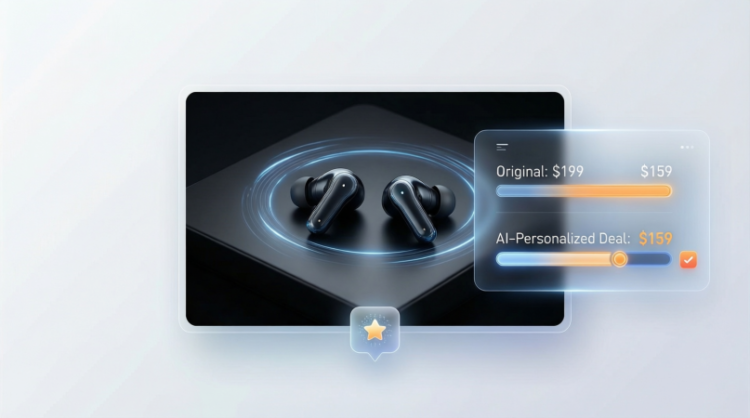

Digimagaz.com – Google is moving another step closer to turning AI-powered search into a full commerce channel, unveiling a new advertising pilot that allows retailers to deliver personalized offers directly inside its AI Mode. Rather than relying on traditional keyword ads, the initiative signals a shift toward intent driven marketing, where discounts and promotions surface at the moment a shopper is most likely to buy.
The pilot, known as “direct offers,” gives brands the ability to showcase exclusive deals to users who are actively researching products through Google’s conversational AI interface. Advertisers select which promotions to make available through their campaign settings, while Google’s Gemini 3 model evaluates context from user interactions, including conversation history and clicks, to decide when an offer is relevant enough to appear.
This approach reframes advertising from interruption to assistance. Google’s position is that shoppers are often already seeing the right products, but price incentives can be the deciding factor. By embedding discounts directly into AI assisted discovery, the company is betting it can shorten the path from consideration to checkout while delivering clearer value to consumers.
While the early focus is on discounts, Google has signaled broader ambitions. Future formats are expected to include bundled products, free shipping offers, and loyalty based incentives. For premium and luxury brands, this opens a new top of funnel strategy, allowing them to introduce perks such as member only benefits or early access rather than relying solely on price cuts.
The program is currently being tested with Shopify merchants and select brands including Elf Cosmetics, Petco, and Samsonite. For now, participation is limited to US based sellers, underscoring Google’s cautious rollout as it gathers performance data and advertiser feedback.
Alongside personalized offers, Google introduced what it calls the Universal Commerce Protocol, developed with Shopify. This framework allows shoppers to complete purchases directly within AI Mode, using an integrated checkout that eliminates the need to jump to an external website. Importantly, the protocol is not restricted to Shopify users, opening the door for a wider range of e-commerce platforms to participate.
Google is also expanding brand control within AI search through the introduction of branded “business agents.” These tools let retailers shape how product questions are answered, ensuring responses reflect brand tone and priorities. Companies such as Poshmark and Reebok are already using the feature, suggesting early interest in managing how AI represents brand identity during shopping conversations.
Taken together, these launches place Google firmly in the race to redefine digital shopping around AI assistants. Over the past year, major technology platforms have accelerated efforts to integrate checkout, recommendations, and customer support into conversational interfaces. The promise is faster product matching, higher conversion rates, and fewer returns as shoppers receive more tailored guidance upfront.
Consumer behavior appears to support this direction. Surveys indicate that deal discovery is one of the strongest motivations for using AI tools during shopping, especially during peak retail seasons. If Google’s AI can consistently surface relevant offers faster than traditional search results, it could accelerate adoption of AI driven commerce and reshape how retailers allocate their advertising budgets.
For brands, the shift raises new strategic questions. Success will depend less on broad visibility and more on relevance, timing, and data quality. For shoppers, it signals a future where finding the best offer may feel less like searching and more like having a personal shopping assistant negotiating on their behalf.