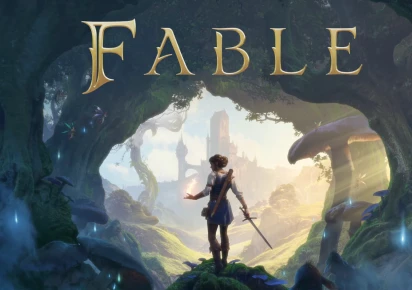




Digimagaz.com – For years, Fable has been synonymous with Xbox. That identity is about to change. In Autumn 2026, the beloved fantasy RPG will arrive on PlayStation 5 for the first time, signaling a major shift not just for the franchise, but for how platform-exclusive games are evolving in the modern industry.
Rather than reviving the series through nostalgia alone, the new Fable is positioned as a fresh starting point. It aims to preserve the soul of the original trilogy while embracing design philosophies that reflect how players experience open-world RPGs today.
A Reboot That Prioritizes Player Choice Over Perfection
Unlike traditional heroic narratives, the new Fable leans into moral ambiguity. Heroism is not defined by clear-cut good or evil, but by consequences that ripple across the world of Albion. Small decisions can shape relationships, alter environments, and influence how NPCs perceive the player long after a quest ends.
This approach reflects a broader trend in RPG design: storytelling that emerges from player behavior rather than scripted outcomes. Albion is no longer just a backdrop—it becomes a reactive ecosystem where gossip, memory, and social dynamics matter.
Albion Goes Fully Open World
For the first time in the franchise’s history, Albion is designed as a fully open world. NPCs follow routines, build relationships, and adapt to player actions in subtle ways. Some choices alter dialogue, while others leave physical marks on the world itself.
This design shift suggests that Fable is competing not just with its own legacy, but with modern RPG heavyweights that emphasize immersion and systemic storytelling.
Combat That Encourages Personal Identity
The reboot introduces a new “style weaving” combat system that allows players to blend melee, ranged, and magical abilities seamlessly. Instead of forcing rigid character classes, the system encourages experimentation and personal expression.
Classic creatures return alongside new enemies designed to match the game’s tone—a mix of fairy-tale charm and modern action-driven intensity. The result is a combat experience that feels both familiar and contemporary.
Humor as a Core Design Philosophy
One of Fable’s defining traits has always been its self-aware humor, and the reboot doubles down on that identity. The game continues to parody heroic tropes while balancing sincerity with satire.
This tonal balance is more than nostalgia; it’s a strategic choice. In an era where many RPGs lean toward dark realism, Fable’s playful tone helps it stand out in a crowded market.
Why the PS5 Release Matters
The arrival of Fable on PS5 represents more than a technical port—it marks a cultural expansion of the franchise. By reaching a new audience, the game’s core theme of player-driven storytelling becomes richer. Every new platform brings new interpretations of heroism, chaos, and kindness.
For Sony players, this release also reflects a broader industry shift toward cross-platform accessibility, where iconic franchises are no longer confined to a single ecosystem.
A Strategic Reintroduction, Not Just a Comeback
With its Autumn 2026 launch window, Fable is positioned as a long-term investment rather than a nostalgia-driven revival. The developers have revealed only a glimpse of characters, quests, and mechanics, suggesting that the marketing strategy will gradually build anticipation while highlighting depth rather than spectacle.
If successful, the reboot could redefine how legacy RPG franchises reinvent themselves without losing identity.
The Bottom Line
Fable’s PS5 debut is not just a milestone for the franchise—it’s a statement about the future of storytelling-driven RPGs. By combining reactive world design, flexible combat, and signature humor, the reboot aims to appeal to both longtime fans and first-time players.
Albion is returning, but it’s no longer bound by tradition or platform loyalty. Instead, it’s evolving into a shared playground where every decision matters and every hero looks different.
If the vision holds up, Fable may not simply come back—it may set a new benchmark for how classic franchises adapt to modern gaming expectations.